How Did We Come to Demonize CO₂?
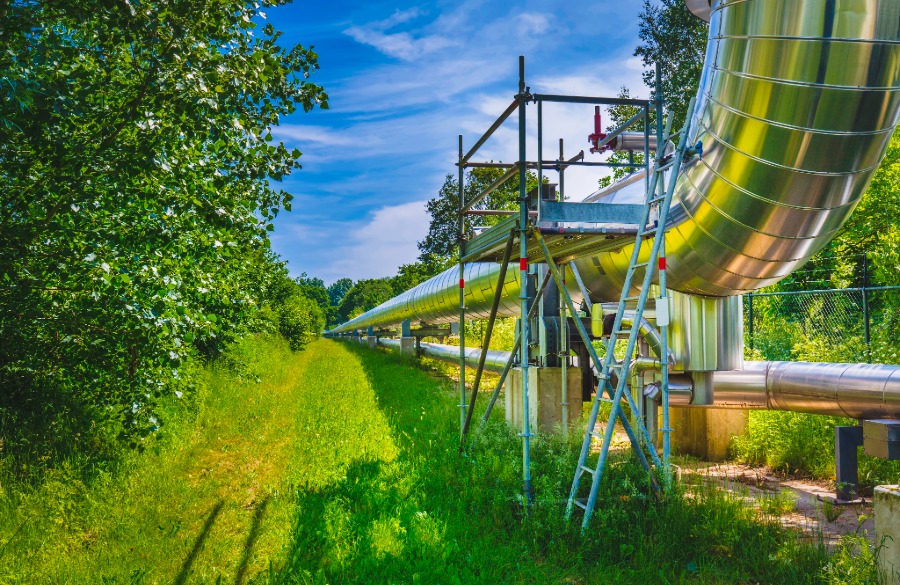
CO₂ capture. Because photosynthesis apparently doesn’t matter. (Adobe)
I got another message this week.
Same theme as a few others.
“Anti-PLC.”
“Only talking about it because it draws an audience.”
Maybe it draws an audience because almost nobody in our industry is willing to question PLC.
Or the CO₂ movement behind it.
Or the people pushing the “carbon is killing the planet” storyline.
So let’s step back and ask something simple.
Where did we even get the idea that CO₂ is the villain in the first place?
And why did an industry built on engineering, testing, and real-world performance decide to outsource its entire climate worldview to a handful of trade groups?
Did we ever ask where our information on CO₂ comes from?
Or do we just repeat whatever ACA or NRMCA tells us?
If someone told you that producing more concrete was harmful to the planet, shouldn’t your first move be to demand proof?
Not a press release.
Not a slogan.
Actual proof.
Concrete has been my whole working life.
If you tell me the material I’ve spent decades working with is “hurting the planet,” then I want to know why.
And I want more than a talking point written by a marketing team.
Where is the independent thinking?
Where is the curiosity?
Where is the willingness to look outside our own industry and check the facts ourselves?
If CO₂ is so dangerous, why do greenhouses enrich with it?
Why does every plant depend on it?
Why do farmers track CO₂ levels because higher CO₂ means stronger growth?
If CO₂ is toxic, why haven’t we banned carbonated drinks?
Why are we still allowed to exhale?
If CO₂ is the “thermostat of the planet,” why is water vapor not the first thing anyone talks about?
Why do charts outside the concrete industry tell a different story than the ones inside it?
If CO₂ is the enemy, why does global food production rise as CO₂ rises?
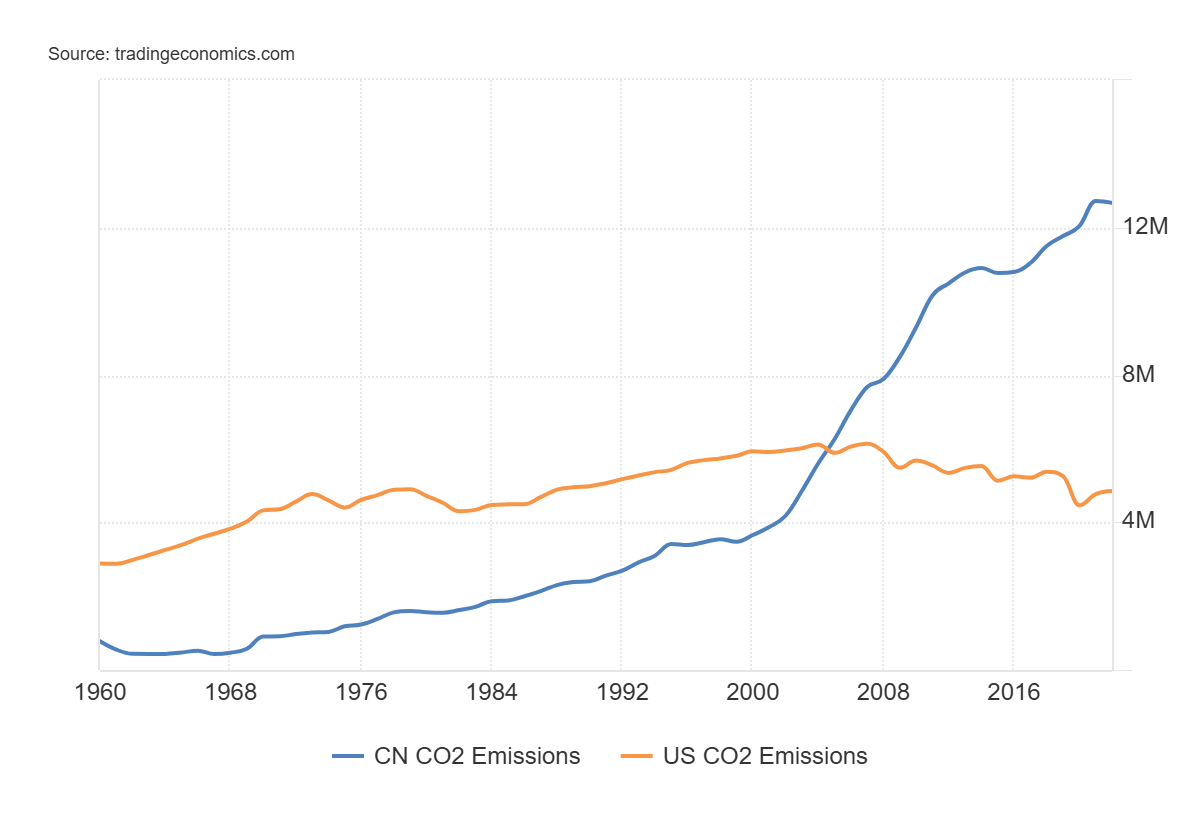
China vs. U.S. - what game are we playing?
These are simple questions.
But in our industry, asking them gets you labeled.
And let’s be honest.
PLC is not the only product hiding behind the CO₂ narrative.
There are admixtures, binders, “low carbon” mixes, curing agents, aggregates, coatings, and everything in between waving the same “reduces carbon” flag.
I am skeptical of those too.
If the best thing your product can say is “reduces CO₂,” then maybe your product does not have much else going for it.
And if you are burning CO₂ to tell me your product saves CO₂, the irony speaks for itself.
All of this matters because the CO₂ story is the reason the industry accepted PLC without much resistance.
It was the excuse.
The shield.
The emotional safety blanket.
And it was used to make major changes to a core ingredient that affects performance, risk, and livelihoods.
If the CO₂ premise is shaky, then the PLC rollout becomes even shakier.
If the climate story is exaggerated, then the changes to our materials were driven by pressure, not science.
Have we confirmed any of this ourselves?
Have we looked at sources outside cement marketing?
Or are we just going along because it is easier not to rock the boat?
When did asking questions become controversial?
When did skepticism become a problem?
When did we decide that repeating someone else’s conclusion was the same thing as understanding it?
I don’t think CO₂ is the demon.
The real problem is blind acceptance.
The real problem is shutting off our own thinking because someone else claimed to have the answer.
If the whole climate argument is the foundation for changing our cement, we should understand it.
Not repeat it.
Understand it.
And if the people claiming CO₂ is destroying the planet cannot answer basic questions about biology, chemistry, agriculture, or common sense, then maybe the industry that builds everything should stop taking their word for it.
Because if we get this wrong, it affects real structures, real risk, and real jobs.
It is worth slowing down and asking the simple question:
How did we come to demonize a gas that keeps life alive?
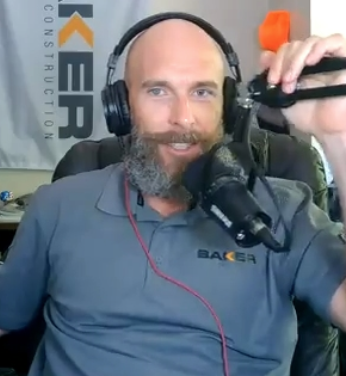
Seth Tandett is as solid as the concrete he works with. Based in Richmond, Virginia, he’s been part of teams delivering top-notch structural concrete work across central and southern Virginia—everything from multi-level frames to data centers and federal facilities.
These days, Seth drives business development at Baker Construction while hosting the Concrete Logic Podcast, where he cuts through the noise and gets to the truth about what’s really happening in the concrete industry.
When he’s not chasing projects or hosting the show, you’ll find him studying economics, digging into American history, or sitting in a duck blind waiting on the next flight of birds.
Tune in to the Concrete Logic Podcast and you’ll get exactly what Seth’s known for: sharp questions, blunt commentary, and real conversations about concrete. No spin. No fluff. Just the stuff that matters.

Winning the Game, Losing the Player