Why Guyana’s Oil Matters More Than Venezuela’s Reserves
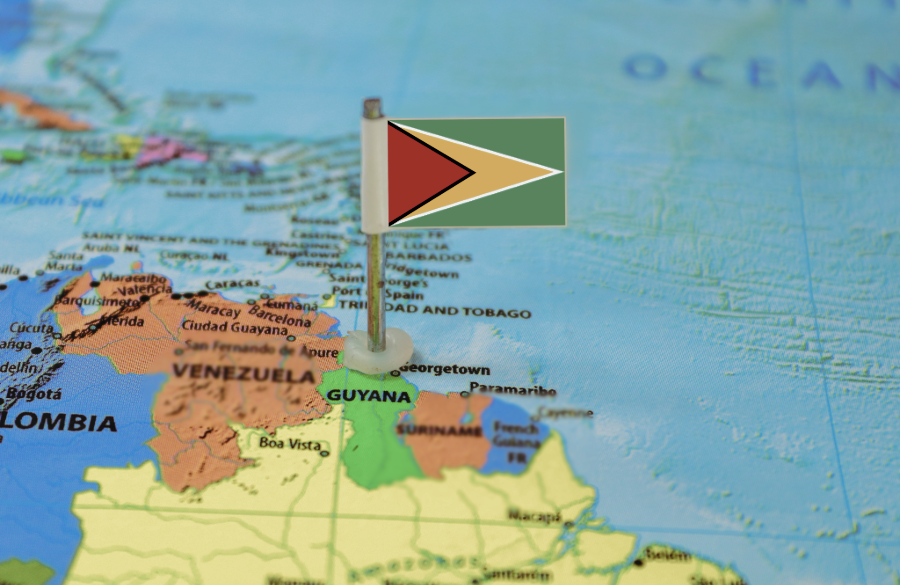
Keep your eye on the prize. (Adobe)
You’ve probably seen the dumb version of this story already.
“Trump wants cheap oil.” “Exxon won’t touch Venezuela.” “Guyana hit the jackpot.” “Russia and China are involved.”
All true-ish. Also not useful.
Here’s the simple overview so you know what you’re looking at before the details start fighting each other:
- Maduro gets pulled out and brought to New York.
- Trump holds a White House oil meeting shortly after.
- Exxon’s CEO tells him Venezuela is basically “uninvestable.”
- Meanwhile Guyana — right next door — is pumping offshore light, sweet crude that refineries actually want.
- And a Chinese state company already has a seat at that table.
Now, the timeline matters, because people keep mashing it together like it all happened “this week.”
It didn’t.
The Maduro extraction happens first. Then the oil meeting happens after, on January 9.
And the noise you’re seeing is what happens when quotes from a closed-room conversation get dragged into public view. In that meeting, the President is pushing for the clean political outcome: lower oil prices. And you can’t really blame him for wanting that.
But this is where the real-world clash shows up.
Oil doesn’t respond on command. Equipment, people, contracts, export systems, refineries… none of that moves at the speed of a campaign promise. Then Exxon’s CEO says the quiet part out loud: Venezuela is “uninvestable” unless major things change.
People hear that and think it’s an insult. It’s not.
It’s a business statement about rules, enforcement, and whether you get to keep what you build. Exxon has history there. They’ve been burned. Twice.
So when someone says, “Why doesn’t Exxon just go back?” the answer is pretty simple. Because they remember what happened the last two times.
Companies like Exxon think in decades, politics thinks in voting cycles. Which one do you think we should follow?
Now the part most people miss: not all oil is the same.
Guyana’s offshore crude is light and sweet. “Light” means it’s less dense. It flows and ships easier.
“Sweet” means low sulfur. Low sulfur means fewer headaches and less expensive processing. Light sweet crude is the kind of barrel that fits into the existing refining system with less drama.
It typically turns into the stuff people actually need: gasoline blend components, diesel, jet fuel, and feedstocks that matter for petrochemicals.
It’s not magic. It’s just easier.
Venezuela’s crude, in the material I’m reading, is a totally different animal. It’s ultra-heavy. 8 to 10 API. That’s not “black gold.” It’s closer to tar.
Ultra-heavy crude doesn’t just slide into the same supply chain and turn into diesel. It often needs upgrading before it behaves like a normal refinery feedstock. That means big facilities, big money, long schedules, and high reliability requirements.
And then you still need refineries that can handle the heavy end of the barrel — the expensive units that break big molecules into smaller ones and clean up the junk.
So yes, Venezuela has oil. But a barrel that needs a rebuild, an upgrader, and specialty refining is not the same as a barrel you can sell cleanly and run broadly.
Guyana’s crude is closer to “easy to use.”
Venezuela’s crude is closer to “hard to use,” even before you talk about politics.
Now, where is Guyana and why does it keep getting pulled into this?
Guyana sits on the north coast of South America, facing the Atlantic. Venezuela is immediately to the west.
So when Guyana starts producing a lot of valuable offshore oil, right next door, it changes the temperature of everything in the neighborhood.
Old disputes don’t stay quiet when there’s real money nearby. And the Guyana offshore story isn’t theoretical. It’s already producing and scaling fast.
That’s why Guyana is central to this conversation even when the headline says “Venezuela.” Now add the part people don’t like talking about because it breaks the simple narratives.
Ownership.
Exxon is operating the Guyana project, but one of the partners is a Chinese state company. So you’ve got U.S. political talk about strategic control, and the most strategic new oil growth story in the hemisphere already has China inside the ownership stack.
Not as a customer.
As an owner.
This is why the story keeps dragging in “doctrine” and “national security” language. Because the facts are inconvenient.
Russia shows up for the same reason: energy is chess, and the pieces don’t disappear just because the mood changes.
Big companies don’t make permanent decisions based on what’s popular in one moment. They preserve options when the assets are long-life and high value. They try not to get trapped.
So if you want the clean takeaway, don’t turn this into a morality play.
This is about what kind of oil is actually usable, who owns the projects that are scaling, and what kind of risk the capital is willing to tolerate.
Politics wants immediate outcomes and clean headlines. The oil system doesn’t work like that.
If you want to follow the real story, don’t follow the speeches.
Follow what capital will touch.
And what it won’t.
Tariffs, Tankers, and the Cost of Moving Energy