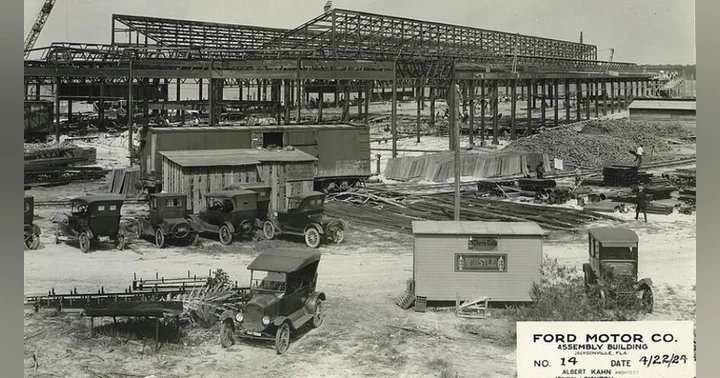
Is Rebar Expensive, or Is the Market Protected?
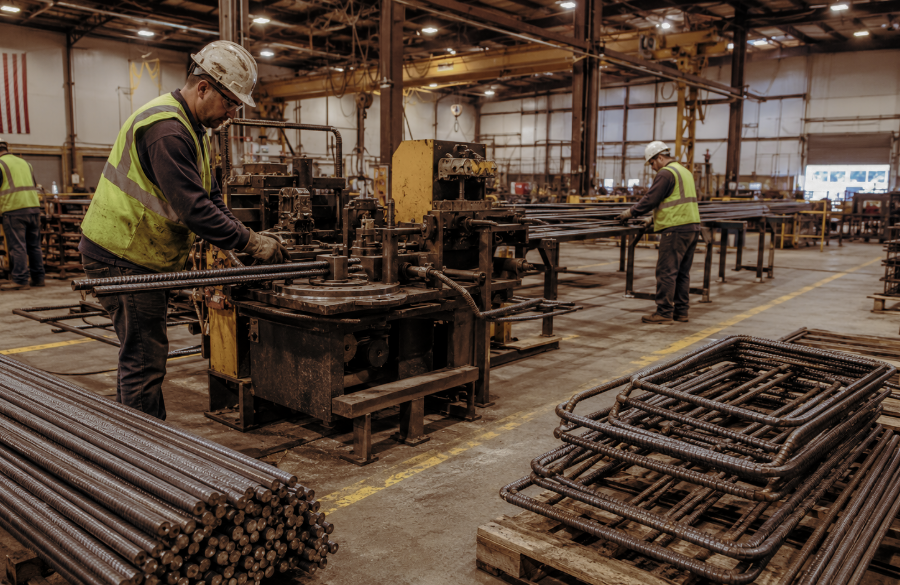
Protect those margins...oh, we meant jobs. | OpenAI
“Liars are not believed even when they speak the truth.” - Aesop
Rebar is one of those things people love to ignore until it becomes a problem.
Then it becomes everyone’s problem.
It hits the estimate.
It hits procurement.
It hits labor.
It hits inspections.
It hits the pour schedule.
That is why we released EP #156 of the Concrete Logic Podcast this week: Is Rebar Killing Your Concrete Schedule?
The episode looks at reinforcement from the construction side, not the brochure side. Where does rebar still make sense? Where does it create congestion? Where can steel fibers help speed things up? And where do people get themselves in trouble by treating one reinforcement option like a magic replacement for another?
But there is another side to this conversation.
Why does rebar cost what it costs?
Right now, the U.S. rebar market is not exactly wide open. Imported steel is protected by Section 232 tariffs. In April 2026, the White House stated that steel articles made entirely or almost entirely of steel can face a 50% tariff on the full value of the imported product.
Then you have antidumping and countervailing duties layered on top of that. The Federal Register shows rebar from Mexico and Türkiye remains under trade orders, and Algeria was hit with an antidumping duty order in April 2026.
In plain English, foreign rebar has to climb a wall before it competes in the U.S.
That protects domestic steel capacity. It protects American mills. It probably protects steel jobs.
But contractors pay for that protection somewhere.
The U.S. market is also controlled by a small group of major players. Nucor, Commercial Metals Company, Gerdau, Optimus Steel, Steel Dynamics, and a few others carry a lot of weight in the domestic rebar market. World Steel Dynamics has reported that Nucor and CMC together account for roughly 80% of the U.S. rebar market.
That is not a small detail.
When you combine tariffs, trade duties, limited competition, and domestic mills raising prices, you get a market where “steel is up” may not tell the whole story.
Recent U.S. market reports show Nucor, Gerdau, and Optimus announcing rebar increases around $30 per short ton, with additional surcharges on some coiled rebar orders. SteelOrbis reported U.S. Midwest #5 rebar around $920 to $960 per net ton FOB mill in early May 2026.
Now compare that to Mexico.
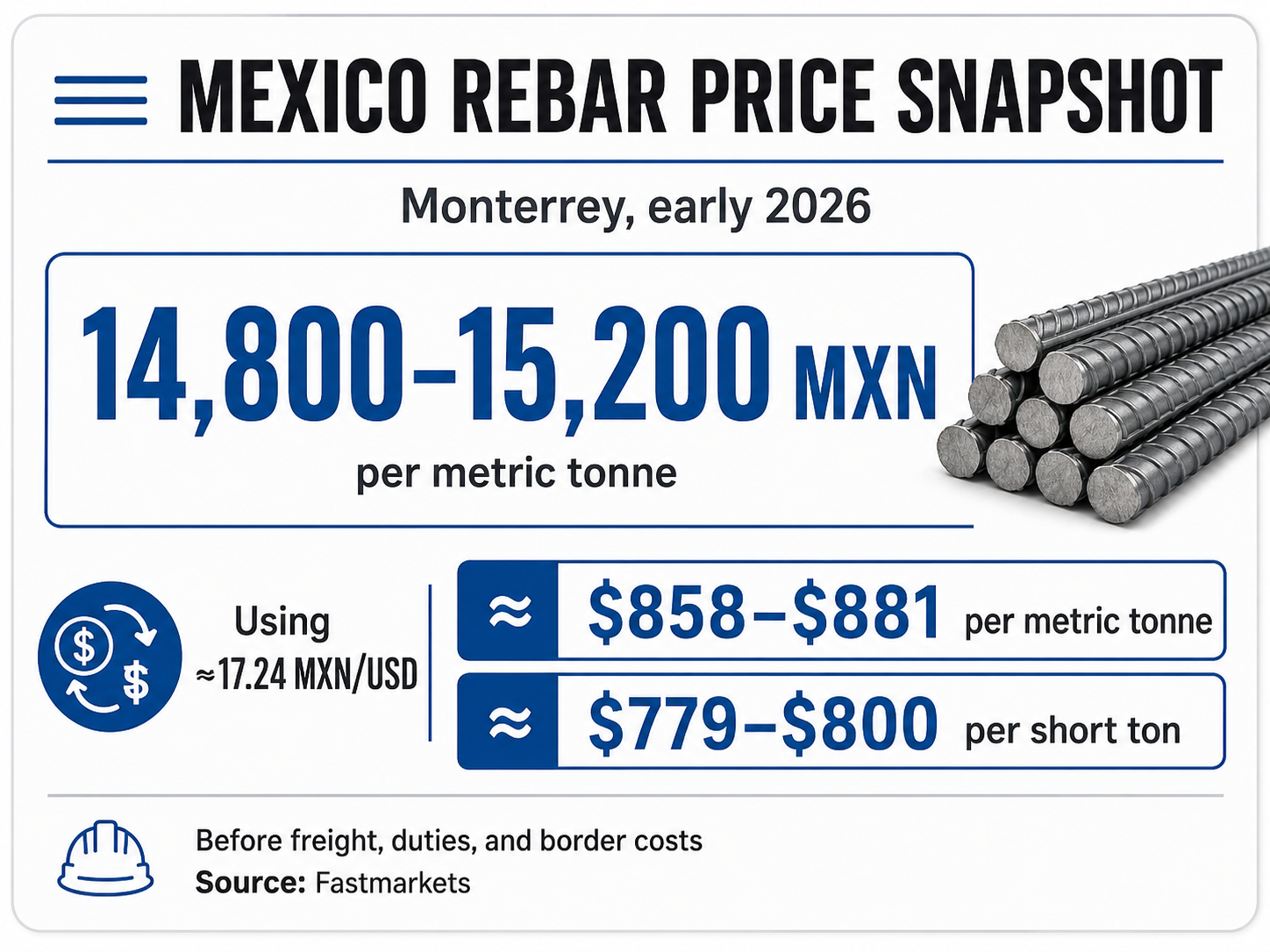
Fastmarkets reported Monterrey rebar at 14,800 to 15,200 pesos per metric tonne in early 2026. Using a May 2026 exchange rate around 17.24 pesos per U.S. dollar, that works out to roughly $858 to $881 per metric tonne, or about $779 to $800 per short ton before freight, duties, and border costs.
Not apples to apples.
But close enough to ask better questions.
If U.S. rebar is materially higher than nearby markets, is that because steel is more expensive everywhere?
Or because the U.S. market is protected?
That does not mean rebar is bad.
Rebar works. It belongs in a lot of concrete.
But we should stop treating reinforcement like a default checkbox. It affects cost, schedule, labor, procurement, inspections, congestion, pumping, placing, finishing, and risk.
That was the point of EP #156.
The smart move is not “use rebar” or “use fibers.”
The smart move is understanding the tradeoff before the job is already behind.
And since you made it this far, here is the reward.
For a limited time, we are giving free access to Concrete Logic Academy. Practical concrete training. Real-world lessons. PDH courses. No academic fluff.
Use this link before we shut the door on free memberships: Concrete Logic Academy Limited Time Access

Are Data Centers Really the Big Wave for Concrete?