Hot Weather Concrete: Why the Slab Gets Away From You
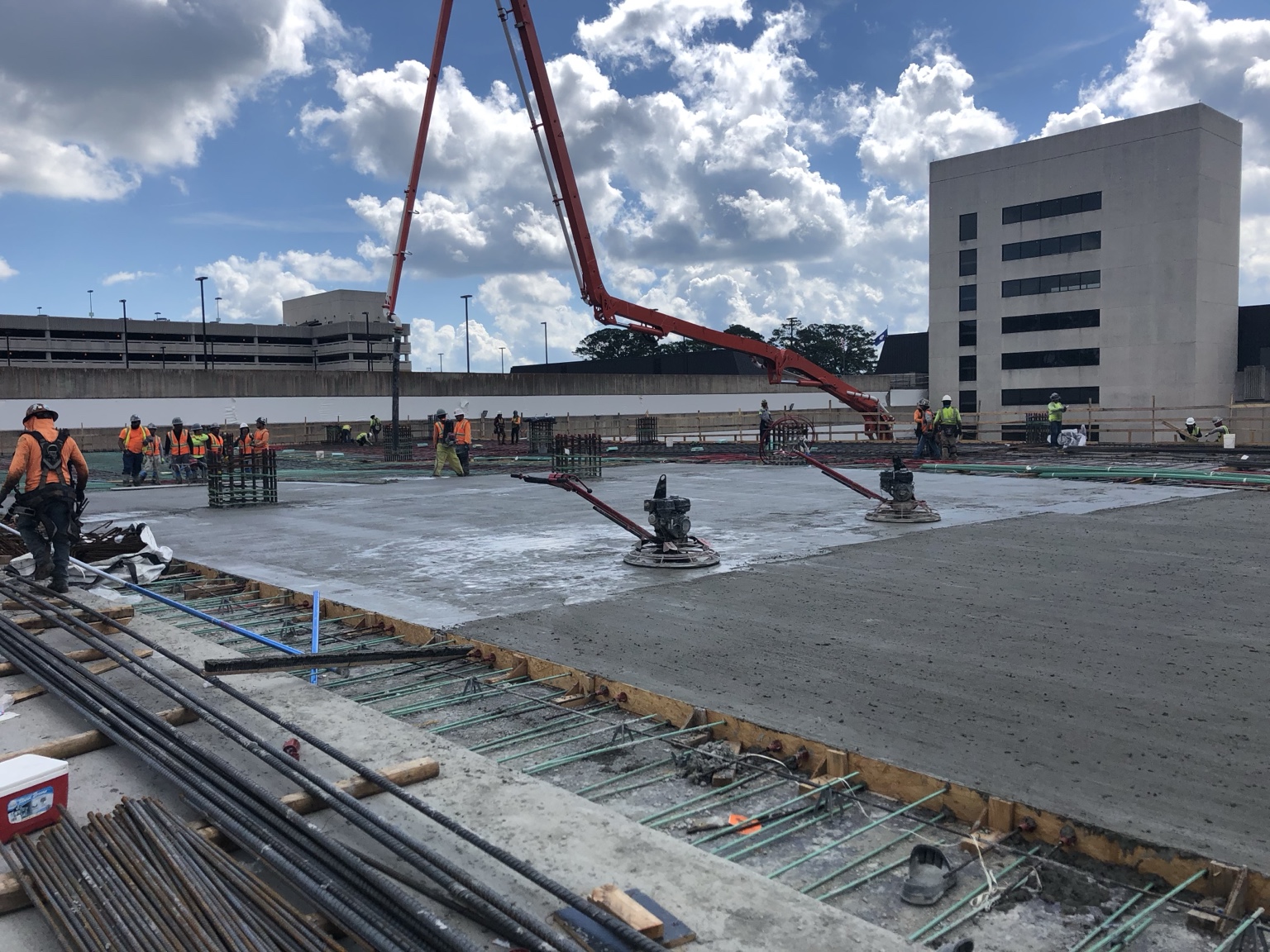
The pour started on schedule. The concrete had other plans.
The truck shows up. The slump looks fine. The crew starts placing.
Then everything speeds up.
The concrete stiffens in the chute. The pump operator starts fighting it. The finishers lose the window they expected. Someone asks for water. Someone else blames the plant.
By the time the crew realizes the slab is getting away from them, it may already be too late.
Hot weather concrete problems are rarely caused by one bad decision. They usually come from several manageable conditions stacking up at the same time.
The concrete is warmer. The haul takes longer. The sun is heating the subgrade. The wind is pulling moisture off the surface. The crew is placing more slowly than planned.
Then one small delay turns into a big problem.
Hot weather is more than a high air temperature
Most people look at the weather forecast and decide whether it is a hot-weather placement.
That is not enough.
ACI defines hot weather as one or more conditions that can damage fresh or hardened concrete by accelerating moisture loss, cement hydration, or both. Those conditions include high air temperature, high concrete temperature, low relative humidity, and high wind speed.
That means a concrete placement can become risky even when the air temperature does not look extreme.
A warm day with low humidity and steady wind may dry the surface faster than a hotter, humid day. Direct sunlight can heat forms, reinforcing steel, pumps, hoses, and the subgrade before the first truck arrives.
The question is not simply:
How hot is it outside?
The better question is:
How quickly is the concrete heating up, stiffening, and losing moisture?
Hot concrete does not wait for your schedule
Concrete stiffens as hydration progresses.
Higher concrete temperatures generally accelerate that process. The mixture may lose slump faster, reach initial set sooner, and give the crew less time to place, consolidate, strike off, and finish. ACI identifies increased cement hydration and increased surface evaporation as the main drivers behind many hot-weather concreting problems.
The mixture that behaved well during a spring placement may feel completely different in July.
The crew may not have changed.
The mix proportions may not have changed.
But the concrete temperature, material temperatures, haul conditions, and jobsite exposure have changed.
That affects the entire operation.
You may see:
- Faster slump loss
- Shorter finishing windows
- Greater difficulty pumping or placing
- More pressure to add water
- Faster surface drying
- Greater risk of plastic shrinkage cracking
- More variability between loads
- Increased difficulty producing and testing consistent concrete
Once the concrete arrives, the clock is already running.
The problem may start before the truck reaches the job
When a slab gets away from the crew, the instinct is often to blame the batch plant.
Sometimes the plant did miss something.
But the real problem may have started with the plan.
Consider what can happen before placement begins:
The aggregates are warm.
The mixing water is warm.
The mixer drum is sitting in the sun.
The truck is stuck in traffic.
The jobsite is not ready.
The pump is not primed.
The reinforcement inspection runs late.
The crew waits on an embed or a missing piece of equipment.
Every minute matters more when the concrete temperature is already elevated.
ACI’s hot-weather guidance specifically addresses material selection, precooling ingredients, batching, haul length, placed concrete temperature, jobsite handling, placement, curing, testing, and inspection.
That should tell us something.
Hot-weather concrete is not just a mix-design problem.
It is an operations problem.
Why adding water feels like the answer
When the concrete begins stiffening, water appears to solve the immediate problem.
The slump increases. The concrete moves through the hose. The finishers get some workability back.
But the crew may be trading a short-term placement problem for a long-term concrete problem.
Uncontrolled water addition can change the water-cementitious materials ratio, reduce strength, increase shrinkage, increase permeability, and make the delivered concrete different from the mixture that was designed and approved.
That does not mean water can never be added at the site. Water may be added within the permitted limits of the mixture design, specifications, and delivery ticket procedures.
The problem is random water addition without understanding how much has already been added or what it is doing to the mixture.
The better approach is to plan for workability retention before the first truck is loaded.
NRMCA recommends adjusting mixtures as needed to manage slump loss and setting time. Set-controlling admixtures, water reducers, and other mixture adjustments may help when they are evaluated and used correctly.
That conversation should happen before the pour.
Not while the crew is standing around a truck with a stiff load.
The top can dry before the concrete is ready
One of the most dangerous hot-weather conditions happens when moisture leaves the surface faster than bleed water can replace it.
The surface begins drying while the concrete below is still plastic.
That creates tensile stress in concrete that does not yet have enough strength to resist it. The result can be plastic shrinkage cracking.
These cracks can appear quickly. They may develop before finishing is complete or shortly after the crew leaves.
Air temperature matters, but evaporation is influenced by the combination of:
- Concrete temperature
- Air temperature
- Relative humidity
- Wind speed
ACI guidance uses these factors to estimate evaporation risk.
This is why wind can be as dangerous as heat.
A breeze that feels good to the crew may be pulling moisture off the slab.
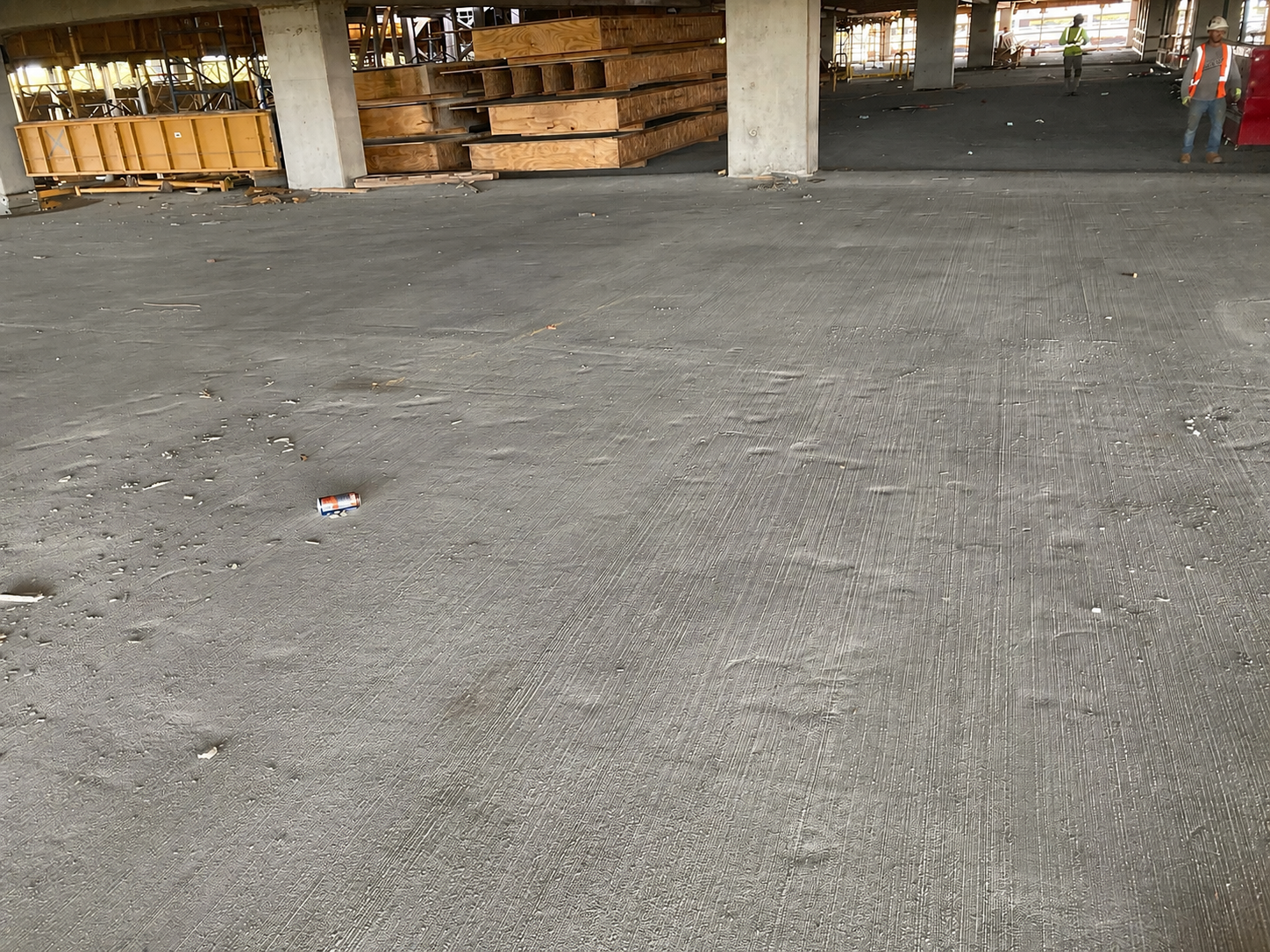
It looked set. Only the top had cured. The footprints tell the real story.
Finishing sooner is not always finishing smarter
Hot weather creates pressure to hurry.
Sometimes the crew needs to move faster.
But speed can create another problem when finishers react to surface drying rather than the actual condition of the concrete.
A dry-looking surface does not always mean the concrete is ready for final finishing.
The top may be drying because of evaporation while bleed water is still moving underneath. Working the surface too early can trap water, disturb the paste, and contribute to scaling, delamination, dusting, or other surface defects.
The finisher has to distinguish between two different conditions:
The concrete is setting.
The concrete surface is drying.
Those are not the same thing.
Sprinkling water onto the slab to make finishing easier is not a curing plan. It may change the surface water-cementitious materials ratio and weaken the paste near the top.
The correct response begins with controlling evaporation and planning the placement, not trying to rescue the surface after it has already dried.
Hot-weather success starts before pour day
The best hot-weather placements usually look uneventful.
That is because the difficult decisions were made early.
The contractor and producer should talk through:
- Expected air and concrete temperatures
- Placement rate
- Truck spacing
- Haul and discharge time
- Pumping conditions
- Slump-retention needs
- Admixture strategy
- Crew size
- Backup equipment
- Evaporation protection
- Curing method
- Testing procedures
Do not wait until the morning of the pour to discover that the mixture loses workability faster than the crew can place it.
Do not schedule trucks for the rate you hope to achieve.
Schedule them for the rate the job can actually maintain.
Too many trucks create a line of aging concrete.
Too few trucks create interruptions, cold joints, and finishing problems.
The goal is not maximum speed.
The goal is continuous, controlled production.
Control what you can control
You cannot change the weather.
You can change the plan.
Start earlier
An early placement may reduce exposure to peak temperatures, direct solar radiation, and afternoon storms.
But “start early” does not mean the first truck arrives while the crew is still setting up.
The job must be ready.
Cool the materials where practical
Producers may reduce concrete temperature by managing aggregate conditions, using cooler mixing water, shading materials, or using other cooling methods appropriate for the project.
The available options depend on the plant and project, but concrete temperature should be discussed before placement.
Prepare the receiving surfaces
Dry, hot subgrades and forms can pull moisture from fresh concrete.
Surfaces should be prepared in accordance with the project requirements. Standing water should not be present, but the concrete should not be placed against an excessively dry, hot surface that immediately steals moisture.
Shade and protect equipment
Pump lines, hoses, forms, and reinforcing steel can become extremely hot in direct sunlight.
Reducing unnecessary solar heating can help limit additional heat transfer into the concrete.
Use fogging or evaporation-control methods when needed
Fogging can increase the humidity above the slab and reduce moisture loss without dumping water directly onto the surface.
Windbreaks, sunshades, and approved evaporation reducers may also help under the right conditions.
These are tools, not substitutes for curing.
Have the curing materials ready
Curing should begin as soon as the surface and finishing operation allow.
Do not finish the slab and then start looking for curing compound, sprayers, wet coverings, or plastic.
ACI notes that excessive evaporation during curing can contribute to cracking and that covers may be used to reduce moisture loss.
The curing plan needs to be part of the pour plan.
The specification cannot replace coordination
A project may have a maximum concrete temperature.
It may reference ACI 305.
It may require curing compound, evaporation control, or specific testing.
That does not guarantee a successful placement.
Specifications establish requirements.
They do not coordinate trucks, provide enough finishers, repair a broken pump, shorten the haul, or recognize that the wind picked up halfway through the pour.
Hot-weather concrete requires decisions from the producer, contractor, testing agency, and design team.
Each party controls part of the risk.
If everyone waits for someone else to raise the issue, the slab pays the price.
Why one customer struggles while another does not
Ready-mix producers see this all the time.
Two contractors receive similar concrete in similar weather.
One has repeated problems.
The other does not.
That does not automatically mean one crew is good and the other is bad.
But it usually means their systems are different.
One contractor may:
- Have the job ready before the trucks arrive
- Maintain a consistent placement rate
- Use enough labor
- Communicate changes quickly
- Avoid uncontrolled water additions
- Protect the slab from wind and sun
- Start curing immediately
The other may respond to every placement as the problems happen.
That difference matters.
Concrete rewards preparation and exposes chaos.
The slab rarely gets away all at once
It happens in steps.
The first truck waits ten minutes.
The second truck arrives too close behind it.
The pump slows down.
The crew gets stretched.
The surface starts drying.
Someone adds water.
Finishing starts early in one area and late in another.
Curing gets delayed because everyone is trying to catch up.
None of those decisions may seem catastrophic by itself.
Together, they create the failure.
That is the real lesson of hot-weather concrete.
The weather applies pressure to the entire operation. It reduces the time available to correct mistakes. It turns small delays into bigger consequences.
The answer is not to panic when the concrete stiffens.
The answer is to build a plan that keeps the slab from getting away in the first place.
What changes on your hot-weather pours before the first truck arrives?
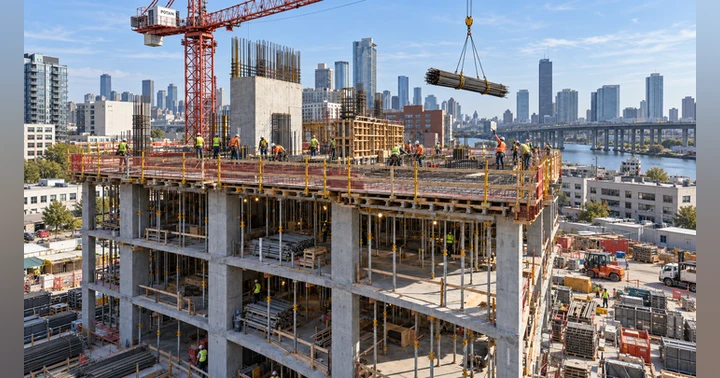
Why Are We Asking Concrete Crews to Fix a Productivity Problem They Didn’t Create?