Low-Carbon Concrete Still Has to Survive the Jobsite
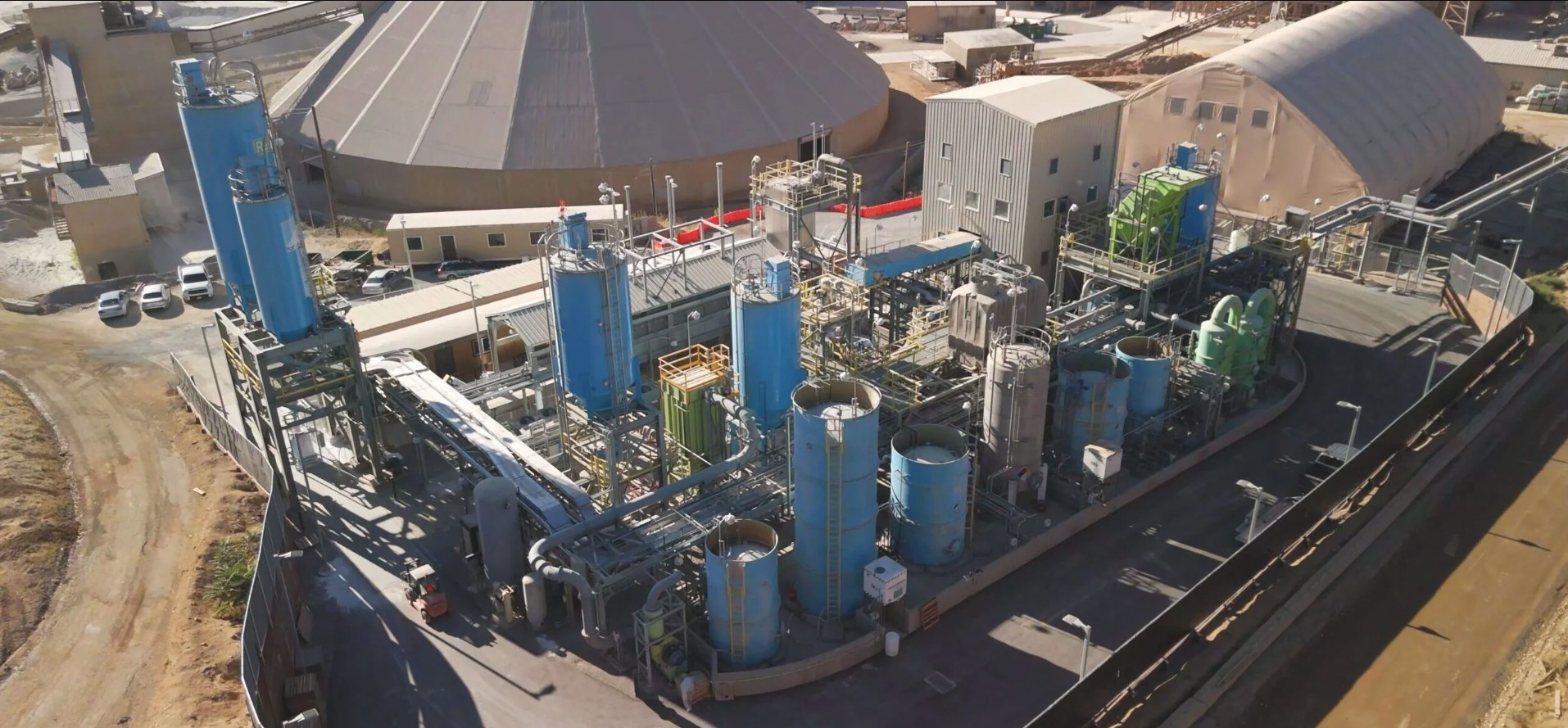
Fortera ReCarb Plant | forteraglobal.com
“What we see depends mainly on what we look for.” – John Lubbock
The concrete industry has heard enough slogans.
Low-carbon cement. Green concrete. Carbon capture. Sustainable binders. Better chemistry. Cleaner construction.
Fine.
But does it work?
That is still the question.
Not in a lab.
Not in a conference presentation.
Not in a glossy owner report.
Does it work when it hits the truck, gets batched with local materials, rides across town, gets pumped through a line, placed by a crew, finished under real jobsite pressure, and expected to perform for decades?
That is where the low-carbon concrete conversation gets real.
Concrete is not software. You do not get to roll out an update after the slab is placed. You do not get to patch a foundation after the building is sitting on it. You do not get to tell the finisher, “Version 2.0 will be better.”
Concrete either works or it does not.
That is why concrete people are skeptical when they hear words like “green,” “sustainable,” and “low-carbon.” It is not because they hate innovation. It is because they have seen what happens when new materials get pushed into the market before the field understands the tradeoffs.
Higher cost.
Slower set.
Sticky mixes.
More water demand.
Lower early strength.
More cracking.
More risk.
And somehow, that risk usually lands on the ready-mix producer, the contractor, or the finisher.
The owner gets the green story.
The consultant gets the case study.
The contractor gets the phone call when something goes wrong.
That is the part nobody likes to put in the brochure.
This is also why the carbon conversation needs to be handled honestly. We have already written about how CO₂ became the villain in concrete here: https://www.concretelogicpodcast.com/blog/how-did-we-come-to-demonize-co2/
We also poked fun at the whole thing in “The Creature of Lehigh Valley,” because sometimes parody gets closer to the truth than another industry white paper: https://www.concretelogicpodcast.com/blog/the-creature-of-lehigh-valley/
But let’s put the CO₂ argument aside for a minute.
Even if you believe every bit of the climate narrative, low-carbon concrete still has to earn its place the same way every other concrete material does.
Performance.
Cost.
Availability.
Repeatability.
Risk.
That is the standard.
Right now, the main pull for these products is not coming from everyday concrete work. It is coming from the big buyers with big public commitments, especially data centers.
That matters.
Data centers are buying a mountain of concrete. They are also under pressure to show reduced embodied carbon while building as fast as possible. That creates a strange mix of demands.
Move faster.
Build bigger.
Use less carbon.
Do not miss schedule.
Do not increase risk.
Do not make the concrete harder to place.
Good luck with that.
That is where the low-carbon cement market will either grow up or get exposed.
If a new cement technology only works because someone is forced to use it, subsidized to use it, or shamed into using it, then it is probably not ready for the real market.
That is not innovation.
That is compliance.

The more interesting question is whether any of these new materials can solve problems the industry already cares about.
Can it help with supply?
Can it improve performance?
Can it lower cost?
Can it reduce heat?
Can it reduce shrinkage?
Can it improve early strength?
Can it help ready-mix producers deal with shrinking SCM availability?
Can it make sense without a green premium?
That last one may be the most important.
Most concrete is not placed on trophy projects with giant sustainability budgets. It is placed in warehouses, foundations, schools, roads, manufacturing plants, parking lots, tilt panels, and all the ordinary work that keeps the country moving.
Those jobs run on schedules and budgets.
Not slogans.
And the field has every right to ask hard questions.
How does it finish?
How does it pump?
What happens with admixtures?
What happens when the temperature swings?
What happens when the aggregate changes?
What happens when a producer is already dealing with cement variability, fly ash issues, slag supply problems, driver shortages, and a spec that looks like it was written by someone who has never stood near a batch plant?
This is where “drop-in replacement” starts sounding dangerous.
Concrete people know better.
There is no such thing as a free change in concrete. Every adjustment touches something else. Cement chemistry, water demand, set time, air, admixtures, finishing, curing, strength gain, shrinkage, durability.
Pull one lever and something else moves.
That does not mean new materials should be rejected. It means they should be tested like they matter.
Because they do.
The concrete industry should be open to better cement technology. We need more supply. We need better performance. We need materials that help producers and contractors, not just owners chasing a reporting target.
But the burden of proof should be on the new material.
Not on the contractor after the pour goes sideways.
Not on the finisher when the slab acts strange.
Not on the ready-mix producer when the owner wants a green box checked and the spec does not match field reality.
The next phase of concrete is not going to be simple.
Some low-carbon technologies will probably work.
Some will probably disappear.
Some will get bought.
Some will stay trapped in pilot projects forever.
And some may become normal because they actually solve real problems.
That is what I am watching for.
Not the best press release.
Not the best carbon story.
Not the best-funded startup.
The materials that survive will be the ones that make sense when the truck backs up, the chute drops, and the crew has to make it work.
Because in concrete, the jobsite always tells the truth.
And here is the part most people in the industry are not talking about yet:
U.S. cement manufacturers are moving back to Type I/II in a big way.
More to come...
Would Banning Diesel Exports Actually Lower Diesel Prices?