Podverse
 Fountain
 Spotify
 YouTube
 Apple Podcasts
 Castro
 RSS Feed
 EP #167: Is Concrete’s Tough-Guy Culture Putting Workers at Risk?

JOIN THE ACADEMY! VISIT CONCRETESCHOOL.CO TO START LEARNING TODAY.
ON THIS EPISODE OF THE CONCRETE LOGIC PODCAST
Does concrete’s culture of toughness help people handle difficult work, or does it keep them from asking for help when they need it most?
Seth is joined by Mike Schneider, who spent 45 years with Baker and served as senior vice president and chief people officer. They discuss why construction workers may suffer in silence, how supervisors can recognize behavior changes, and why mental health needs the same attention the industry gives physical safety. Mike argues that changing the culture starts with stronger relationships, leaders willing to show vulnerability, and making resources such as mental-health first aid, EAPs, and 988 easier to access.
WHAT YOU’LL LEARN
- Why construction’s traditional tough-guy culture can discourage workers from asking for help
- Why Mike prefers framing the issue around “mental strength”
- How leaders can make vulnerability and asking for help more acceptable on the job
- Why relationships with crew members matter when identifying changes in behavior
- What supervisors should notice when a normally dependable coworker begins acting differently
- Why mental-health first-aid training can be valuable for frontline supervision
- How industry groups are addressing mental health and suicide prevention
- Why long hours, travel, layoffs, physical pain, family pressure, and substance use can compound stress
- Why simply offering an Employee Assistance Program is not enough if workers do not know how to use it
- Why contractors should include suicide response and postvention in crisis planning
CHAPTERS
(00:00) Construction toughness and the mental-health question
(04:01) Why construction workers suffer in silence
(09:09) Changing safety culture and redefining strength
(11:50) Relationships, behavior changes, and recognizing trouble
(15:46) Mental-health resources for the construction industry
(20:34) Opioids, overdoses, and Narcan on the jobsite
(21:59) Removing stigma and talking openly about mental health
(24:15) Why construction faces a difficult combination of risk factors
(27:51) EAPs, 988, and making help easier to reach
(29:44) Screening tools and starting the conversation
(30:37) Language, crisis planning, and postvention
(33:05) Mike’s closing challenge and contact information
GUEST INFO
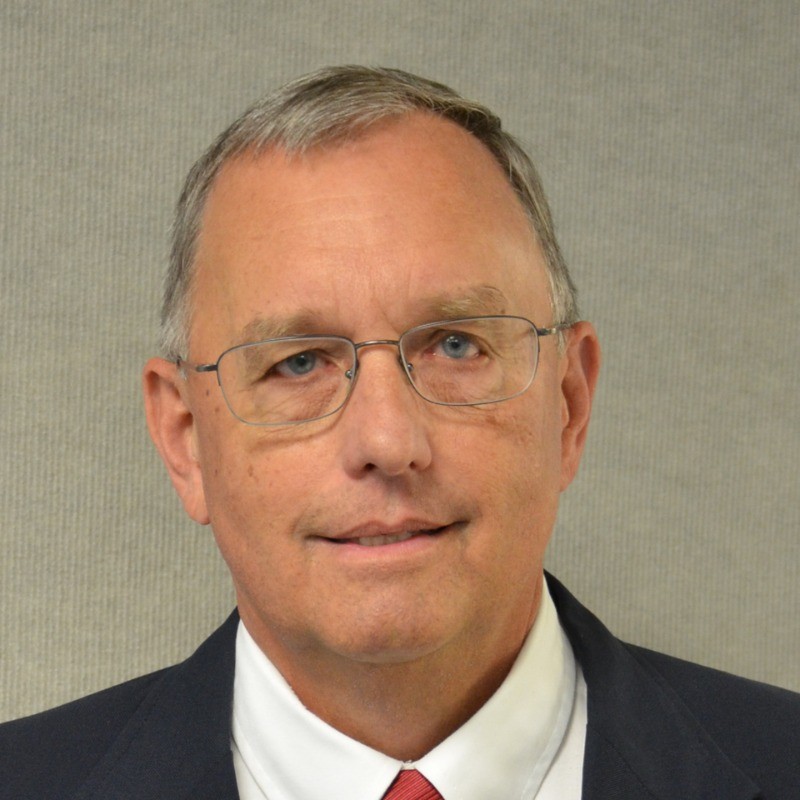
Mike Schneider, Consultant
Guest link: https://www.concretelogicpodcast.com/guests/mike-schneider/
Email: schneider@bakersharedservices.com
RESOURCES MENTIONED
CIASP - Construction Industry Alliance for Suicide Prevention - preventconstructionsuicide.com
US - United Suicide Survivors International - unitedsurvivors.com
CMHA - Construction Mental Health Alliance - construction wellness.org
ANSW - Alliance for Naloxone Safety in the Workplace - answ.org
AFSP - American Foundation for Suicide Prevention - afsp.org
Books:
“The Anxious Generation - How the Great Rewiring of Children is Causing an Epidemic of Mental Illness” by Jonathan Haldt
“YES, You can Talk about Mental Health at Work” by Melissa Doman
“Empire of Pain - the Secret History of the Sackler Dynasty” by Patrick Radden Keefe
“Dreamland - The True Story of America’s Opiate Epidemic” by Sam Quinones
CONCRETE LOGIC ACADEMY
Concrete knowledge matters, but leadership also means understanding the people doing the work. Concrete Logic Academy provides practical concrete education, professional-development courses, and real-world lessons connected to the podcast.
Join for free: https://concreteschool.co
SUPPORT THE PODCAST
If the Concrete Logic Podcast gives you value, send a little value back.
You can support the show here: https://www.concretelogicpodcast.com/support/
Interested in sponsoring the podcast or working with Concrete Logic Media?
Email Seth: seth@concretelogicpodcast.com
Special thanks to Andrew Johnson for supporting the podcast.
CREDITS
Producers: Andrew Johnson, Jodi Tandett and Concrete Logic Media
Music by: Mike Dunton
https://www.mdunton.com/
WHERE TO FIND SETH
Concrete Logic Podcast:
https://www.concretelogicpodcast.com/
YouTube:
https://www.youtube.com/@concretelogicpodcast
LinkedIn:
https://www.linkedin.com/in/seth-tandett/
Concrete Logic Academy:
https://www.concretelogicacademy.com/
Until next time, let’s keep it concrete.
Seth (00:00)
And welcome to another episode of Concrete Logic Podcast. And today I have with me Mike Schneider. Mike spent 45 years with Baker. Is that right? 45? Maybe longer? Okay, I got
Mike Schneider (00:13)
Yes. Yeah.
Seth (00:15)
that right. Beginning as a project manager back in 1978 and eventually serving as senior vice president and chief people officer. he's also been past president.
of both the American Concrete Institute and the American Society of Concrete Contractors. throughout his career, Mike has been a strong advocate for improving safety, leadership, workplace culture, and mental health awareness throughout the construction industry. What Mike is here today, he's gonna help us with this. so in construction, we always demand toughness. We're long days, early mornings, physical pain, time away from home.
Pressure to finish the job, protect the schedule, and make payroll. In the concrete industry, we are taught to push through it. Keep, keep moving. Get the poor finished, handle your problems on your own. But what happens when the pressure follows someone home? What happens when the person everyone depends on is quietly falling apart? We spend a lot of time talking about job site safety. We train people to recognize a fall hazard, inspect equipment, and stop work when something does not look right.
But are we equally prepared to recognize when one of our people is in trouble? Today we are talking about the mental health crisis and construction in concrete, why our industry is particularly vulnerable, and what employers, supervisors, co-workers, and families can actually do about it. So Mike's gonna help us out with that today. But before we get started, as I always do, I'm gonna ask you to do a couple things to support.
podcast. The first thing you can do is if you especially today, I think today's episode is most important to share with a colleague or coworker out there. so that helps a lot. So share the podcast. The second thing you can do is if you go to concrete logic podcast dot com, there are a couple ways to get a hold of me. the first way is at the top of the of the homepage there is a ask Seth
option on the navigation bar. And what you can do is you can click on that and then it pops up an email template and you can put in there a topic or guest suggestion. so that's what we're looking for. And a ton of people have been doing that lately. I appreciate that. I got a long list to to tackle. and then the the next way you can get a hold of me if you don't want to type something out.
is there's a microphone on the same homepage on the concrete logicpodcast dot com. You click on that and it it records your voice right over your computer, your phone, whatever you're using to get on the website. And again, looking for topic and guest suggestions. Let me know what you wanna learn about who you want to hear from. then the next way you can help is on the same home page. There's a donate button.
You click on that and you can give any amount and all amounts are greatly appreciated. And today I want to thank Andrew Johnson for his donation. I appreciate it, man. like I said, any amount is is helpful at doing this kind of bootstrapped way. And so when you guys help me out, it keeps this thing going. the next way is if you are a engineer or someone just looking for
Some continuing education. we started the Concrete Logic Academy, same type of topics, but it's a community that we're we're getting a bunch of folks together and we're talking about you can ask questions on there, you can take some, we got some courses on there as well. but right now if you go to concreteschool.co
it you get free access to all the to joining the academy. So we've had a bunch of people do that as well. So try that out. That's concrete school.co. All right, Mike. let's get into the topic at hand. I guess the first question is is the concrete industry's culture of toughness helping people survive difficult work or preventing them from asking for help when they need it?
Mike Schneider (04:01)
So Seth, thank you very much for having me on the podcast. This is a topic that is very important to the industry and for the to help our coworkers. And that that question pretty much sums up the sort of the paradox that we have. It's sort of a yin and a yang. most of us grew up about it's a very male dominated industry. We we grew up
You know, guys don't cry. there's this stigma if if we show our emotions. that's been a a challenge. And what we were seeing is co-workers for literally decades have been suffering in silence. you know, they just keep it all bottled up inside, they don't talk about it, and we just tough it out. That's that's that's what we need to do. And what it's done, it's created a crisis in the industry.
There are a thousand people that die every year in job site accidents, falls, retrocutions, cave-ins, struck by or against. That that thousand number is pretty steady. there are more than 5,000 people that die every year of suicide in the construction industry. And construction is has got the second highest suicide rate of any industry. The highest is the mining and quarrying industry.
So again, another way to look at that is you are five times more statistically, five times more likely to jump off the building than fall from the building. Seth, you've been in the industry for a number of years and you've seen how we've progressed on a safety standpoint. And you know, the resources that we in an industry invest in safety, hazard recognition, looking out for our fellow co-workers.
Think of what we could do with the mental health of the industry if we spent a fraction of what we spend on physical safety out on the job site, PPE hazard recognition on this mental health issue. We we could make a a big difference. And part of what we have to do is to change we have to change that stigma. there's a guy named Cal Byers, who's been very active in this space going back to about I think twenty fifteen.
when he's retained by CFMA Construction Financial Managers Association to look into this mental health crisis in construction. And Cow has come up with the the the the saying that we need to remove the stigma. And again, back to guys, males just don't talk about this. And what we have to do is we have to deconstruct that tough guy persona.
First thing we got to do is just acknowledge that this this thing exists. And, you know, the traditional construction culture, it equates showing emotion, admitting to some side of struggle, asking for help, it's a weakness. And that's probably the biggest barrier we have to addressing these mental health issues. And it's a norm that we gotta go challenge it. We've got to do that.
We need to reframe what is strength. True strength is not going to be about suppressing our feelings. It's about being able to confront them and seek support. And leaders and peers need to model a new definition of the strength. We have to show our vulnerability. We have to show our self-awareness. And we have to s have the courage to admit when you're not okay, when you need some help.
One of the things at Baker that we have done, instead of talking about mental health, we have rephrased it as mental strength. And that's again a different way of looking at it. We have to dismantle, you know, there's always been this work no matter what. Just tough it out. This is what we got to do. And we we have always held up on a pedestal the long hours, the constant overtime, working through pain, physical and mental.
but when we do that, it leads to burnout, injuries, substance abuse, and a healthier approach would be something where we recognize as leaders that rest and recovery are essential for that long term productivity and safety. I again there's you know we got different values and again
Safety is very important and and again I believe strongly that safety breaks the ties. If if you've got a productivity issue, schedule issue, and safety, safety's got to win. But it's a it it's a multi-leg stool. You can safety yourself out of business. You still have to meet schedule, you still have to meet units. you know, all of us our businesses are in we are business people. We all like to place concrete, but if we don't make any money doing that.
we're not gonna be in business very long and a number of companies have learned that. So we also recognize that people are our number one resource and so we have to protect those people and we've done a good job of that from a safety standpoint PPE and and what we do. I would fire people today to what I did as a labor when I started in this business every day. I
Seth (09:08)
Yeah.
Mike Schneider (09:09)
I would fire I again I come from
When I started, there hard hats were not there. We didn't have harnesses. There were safety belts, just nobody wore them. you know, it's an entirely different industry today. And part of that is we we have talked about safety as we're safe because we have to be safe. OSHA regulations say that, the general contractors got their rules. We have been able to change that mindset in some organizations from being safe because we have to be.
Being safe because we want to be. What is it that's important? What happens if we don't go home at night to our families? And so that same mindset we've had with safety, we've got to do with our mental with our mental health. And you're familiar with Construction Safety Week, which I think we just had the 11th or 12th one of those back in May. If you go back and look at their materials, it was about three years ago that that that group started to broach the subject.
of mental health in the construction industry. And if you go back and look at the toolbox talks that were there every day, they talked about this issue, about removing the stigma, about showing our vulnerability. You know, who's the toughest guy out there on the job site or or most respected? It's generally the superintendent. And when that superintendent, when he or she is able to start to show their vulnerability, when they are approachable, good things start to happen.
And and so some of those old school guys I have talked to at other companies within Baker, you know, when we start to talk about this mental health issue, they say, wow, I've been into trades for 30 years. I have never heard anything about mental health in a toolbox talk. I learned about fall protection, I learned how to use a saw, learned about traffic control, but we've never talked about what's going on in our head.
And that's very important that that we start to show that vulnerability. And when that superintendent or the leader on the job starts to show that, we start to change the culture. We start to remove that stigma stigma.
Seth (11:17)
Yeah. So what talking about that, what are what are some of the things that you've seen that have that have helped with that? Like you like you said, from the superintendent role, what are some of the superintendents out there that are aware of this? Other than doing a toolbox talk, I've you know, rightly or wrongly, I feel like there's probably a lot of guys are out there just like toolbox talks, just another box to check, right? And they read off a sheet and
talk about it, but there's I'm
Mike Schneider (11:44)
Correct.
Seth (11:44)
sure there's some advocates out there for the mental health that you've seen that you've appreciated their efforts.
Mike Schneider (11:50)
And and it it all goes back to showing that vulnerability and being approachable. you're familiar with IIF, incident and injury free, which is the foundation of a number of companies' safety programs. Again, back to being safe because we want to be, but the foundation of all that is relationships. You know, you need to have the relationship with the people in your crew. And when you do that, you start to know you you recognize behavior changes. So
Statistically, we know that one out of every five Americans right now are suffering from anxiety or depression. So part of what we have to do is we have to know our crews. if you're the foreman and you got five or ten people in that crew, statistically, one or two of them is having some challenges. And when you have that relationship and you know your people.
Again, that relationship is important from a safety standpoint. From a mental health standpoint, when you start to see that the person that's always on time starts being late, the lining grade person that never makes a mistake and all of a sudden there starts to be some bust. the the guy that's always smiling and happy ends up being you can just tell something's not right.
And and again, when we ask the question, you know, you ask the question of Johnny, Susie, Jose, how you doing today, you get the I'm fine, I'm okay. If you really know the person, you can tell from the tone of voice something's not right. And that's when we ask some additional questions. We peel back the layers of the onion and we start and when you start asking those questions and the coworker realize that you're coming from a place of care and concern.
that again you respect their opinion, they start to open up. And it is boy, don't ask the question if you're not prepared for what you're gonna hear. But most
Seth (13:45)
Mm-hmm.
Mike Schneider (13:45)
people have just got that all bottled up inside them. And when they start to talk, man, it can just be like a geyser. I mean, it just it just starts to flow. Now when that happens, that's our opportunity to help them and to get them the resources they need.
One of the challenges we have as as an industry, there are a lot of resources out there, but our people just don't know what they are. They are totally unaware of what resources are out there, and we have to do a better job of educating. And back to your question about, you know, how how do we implement this change? Again, it's starting it just it starts with basic conversation with our coworkers. And and part of that
In most companies, foremen are required to have some sort of first aid training. we want them to recognize what are the signs of frostbite and heat exhaustion. And yet one out of every five is suffering from anxiety or depression, we don't teach them at all what to look for there. We're not giving them the tools. And so there are several things it's like with first aid, we don't care whether it's National Safety Council or Red Cross. The important thing is they get first aid and be able to
Help people. Well, there is mental health first aid that is out there. There are classes. you've got a c a a thing called vital call, mental health first aid, QPR. Those are all three groups that that you know can address this. And it they're all intended for frontline supervision, the foreman on the on the job site, department heads you know within our shared services departments.
There are tools out there for for them to use. And so we as an industry have to help our people and give them the tools to be able to do that.
Seth (15:35)
Yeah. There was a also the couple of the the groups that you put me on. you wanna talk a little bit about those folks? the Prevent Construction
Mike Schneider (15:46)
Yes.
Seth (15:46)
Suicide Group and
Mike Schneider (15:48)
Yes. So there are a couple of things. First of all,
There have been five conferences about mental health and suicide prevention in the construction industry. It used to be called the Working Mind Summit. and when that the first one of those was five years ago in Denver, there were two hundred and fifty people at that session. last year we were in Portland, Oregon for the for the fifth one of those, we had six hundred and twenty seven people. the sixth one of those is coming up in
The end of February, it's going to be in Chicago. And we were hoping to have a thousand people there. So you know, this this word is getting out. And there are two days of this conference that's again talking about mental health, suicide, keynote speakers, breakout groups. I've I've been to all five of them. I happen to be one of the co-chairs for this coming year's conference. And I would recommend that again the people are listening that you send people.
To that conference. in a perfect world, we get some senior management, people from safety, people from HR, people from operations. It's th this issue is agnostic. It it's not about what your role description is, it's about caring. And in a lot of organizations, they have they have what they call mental health champions. And those mental health champions have been identified.
In some places they've they've had some training. They got a hard hat sticker of it says mental health champion. And the people on the job site know that they can go talk to that person if they have an issue just just to talk about it. From those groups, what I have learned is about CIASP, Construction Industry Alliance for Suicide Prevention. That actually started back in the
I I think it was twenty seventeen or eighteen. but it was it got started with the construction CFMA, the Construction Financial Managers Association. A guy named Stuart Binstock was the person that was the executive director of CFMA, and he's the one that got CIISP started. there's a lady named Sonia Bowman that is the chair of that group. And I on the
Education committee and there's some very good resources if you go to that website for CIASP. they did a video this past year that was introduced during National Construction Safety Week. It was four tradespeople that were talking, all from New York City. It was paid for by the Turner Foundation, which is part of Turner Construction. very well done.
four people admitting their vulnerability. you know, there there's one lady and I think it's three gentlemen and they talk about the struggle they have had and some of the things they have done. It is very, very impactful. I've yet to see anybody that has watched that who hasn't been moved and again there's been a bias fraction from a number of people as they as they see that video.
The other thing that CIASP has is there there's a podcast there that Sonia and another gentleman co-host, and there's some excellent topics. There's been 36 of those to date, and and again, it's all about this particular issue. So that's CIASP. another group that is just getting started is CMHA, the Construction Mental Health Alliance.
And that was an outgrowth of the American Society of Concrete Construction. Their safety committee had in their strategic plan to do something about coworker well-being. And how how do we address that? How do we it how do we address the total health issue, just not safety on the job site? And so that particular group has information from a number of websites that you can go to.
There's an AI assistant that that'll be introduced here in the next probably two months where you'll be able to go to ask a question. For example, you could ask
What what does fatigue how does a f fatigue affect productivity on a job site? And there will be an answer. the people who have done the most work on fatigue is the National Safety Council and NIOSH has done some work there. That's some of what's in there. It also addresses the hard hats to helmets, the conversion in the industry to type two helmets and the effect that that's having. So CMHA has got
Talks about mental health, but it also talks about the fatigue, talks about the opioid issue. but those are resources that people can go to to get some help.
Seth (20:27)
Yeah, we'll I'll get those links from you. And we'll get them on the show notes when we send out the podcast.
Mike Schneider (20:34)
an a another issue that's out there in the industry is opioid overdoses. several years ago there were 17,000 construction workers that died of overdoses. That is the highest of any industry. And there are there's a group led by John Gall, and it's about the proper use of Narcan or novoxone.
Out on the job site. And the good news is that number Seth has reduced from 17,000 a couple years ago to last year it was 14,000. Now 14,000 is still way, way too many. But that decrease has been attributed. One is we're just starting to talk about the issue and getting people help, but the other is the use of Narcan. And again, there's some companies that have Narcan or noloxone.
Interfirst aid kits. just like you got just like you got band-aids and tourniquets in there. So though th there are some things out there, there's just a greater awareness you know, in the industry.
Seth (21:39)
Yeah. yeah, I think for yeah, these like I said, we'll get to all the I'll get all those links from ya and we'll put on in the show notes when we send out so people can find them and everything. But the big thing it sounds like is is that we gotta just start talking about it and letting folks know it's okay. Yeah, you know, it's
Mike Schneider (21:59)
It
it it is okay to show our weakness. And and
Seth (22:03)
Yeah.
Mike Schneider (22:03)
again, that is a major change. Another link that we'll want to put out there is something called man therapy. And some of you may remember Mr. Bill on Saturday night Saturday night live. Seth, do you remember Mr. Bill?
Seth (22:18)
Think so, yeah.
Mike Schneider (22:20)
We had sort of a s sort of a demended sense of humor. And that's sort of way the man therapy is is out there. It it takes humor to talk about a very serious subject. And so there's some excellent tools in man therapy that I would recommend that people go to. another person and I've already talked about Kyle Byers and John Gall.
Lady named Sally Spencer Thomas is very much a leader in this mental health issue. And she has a she had a brother who died of suicide. And she was already a trained therapist, clinician, and basically made the construction industry and this issue sort of her purpose in life. And as she's the one that started this
along with Cal, this Working Mind Summit. And it's just been a leader. She also has a podcast that is very good talking about mental health. But she is very much an expert, works with a number of organizations, trying to help them as a aligned, you know, what what can they do internally in their organizations from a mental health standpoint.
I I know she spoke at the last annual conference that Baker had with their leads and keys and she was very, very effective with with what she had.
Seth (23:42)
Yeah. Yeah, I I appreciate folks that do that, but I think a lot of us want to hear from other construction folks. Like I think I think they wanna relate, you know, it's hard to relate to somebody that goes around and does all these tours and everything everything and they talk. Guys wanna hear from the other guys that are doing the same work.
Mike Schneider (24:00)
Well, that that's
what on the CIASP, some of the people that are on there, the speakers,
Seth (24:06)
Yeah.
Mike Schneider (24:06)
are people that have had their own issues and they talk about their own challenges and in some cases they had attempted to take their life and
Seth (24:14)
Well.
Mike Schneider (24:15)
fortunately they lived. You know, there's a statistic out there for every thirty-three people that try to die of suicide, only one of them actually dies.
So that's a hell of a database that's out there. And what they have found is they've surveyed these people, is they are glad they survived. they were reaching out for help and nobody paid any attention. And they are glad they lived, and a number of them are out there doing exactly what you just said. They're telling their story to try and prevent other people. There are fifty thousand people in the United States that
try to take their life every year. So 50,000, well, 50,000 died of suicide. That one in 33 statistic, that's a million six hundred and fifty thousand people that tried to take their life. That's a very sad testimony to modern life in the United States. You know, the stress, all the different things that are out there, it's very challenging.
Now, one of the questions is why construction? You know, why why are the numbers this high? And one of the reasons, it it's sort of a perfect storm. we already talked about this stigma. You know, we don't talk about it. It's we have tough schedules out there. We we have to do that. a lot of people are away from home. And and again, you're away from your family, you think you're doing the right thing, making good money, sending it home, and then you get a call from your spouse.
Johnny or Susie is sick, they got in trouble at school, whatever it might be. And now it's where the hell are you? Where are you when I need ya? and again, that that plays on the you know, the craft worker, the manager's heads, that you know, they're not there. It's you know, we have conf conflicting issues, what what we need to do. there's jobs, you know, guys or ladies are making good money.
overtime and then the job ends. And now all of a sudden they've learned to live working on 60 hours a week and now they got no job. And so there's financial hardships. there's a lot of veterans in our industry. And those veterans, they've got their own challenges with PTSD and we we know about the suicide rate in veterans. So you take all those things and add them together
you know, the project based work, the layoffs, you know, the job instability, the work life, I'm gonna say imbalance. We all want work life balance, but that's easier said than done. So that's a challenge. And then just the it it's hard work and you know it's you know one of the reasons for the opioid issues is just the soft tissue inj injuries, the the backaches.
And so again, you don't get paid if you don't work. And so that's you know the whole pharma issue with oxycotton and the fact that it was quote non-addicting ha has led to a lot of those issues. And so part of what we have to do is we have to create this new workplace culture of psychological safety. you know, we gotta provide
accessible and confidential resources, EAP programs, you know, do your people actually know what resources are available to Again, companies
Seth (27:36)
Yeah.
Mike Schneider (27:37)
pay for employee assistance programs, but if the coworkers don't know about it, it it it's of no value.
Seth (27:44)
Yeah. Yeah, I didn't even know about ours till you told me today.
Mike Schneider (27:49)
Yeah.
Seth (27:50)
Yeah.
Mike Schneider (27:51)
And and and again, one of the things as I talk to various groups, one of my questions is one, do you know what nine eighty eight is? which is a twenty-four hour suicide hotline. But as I talk to groups and I've talked to several thousand people over the past couple years, forty percent of the people know what nine eighty eight is. And these are people that are in leadership positions, you know, in in the industry. So
We we got a education issue. same with EAPs. again, I would challenge everybody on this call, put it into your phone, that number. So when you're out on the job and you're talking to a coworker and they are starting to share that they've got some challenges, are you even aware there is an EAP and give them that phone number? And if you got it in your in your phone, I have a saying what interests my boss fascinates me.
If if you got the number right in your book right in your phone and you're able to share it right there, it sends a message that this is important to you, as opposed to, hey Johnny or Susie, I'll call you tonight and and let you know. And so that's what are the chances that you're gonna get back to them? So what's way more effective is to say, here's this number, please call it and let me give you a call in a couple of days to see what they told you.
The other thing that I would challenge people if you're in a leadership position is call your EAP because they are not all created equal. And there's a peer group that I'm involved in, senior management. We did that, and I think about half the companies change their EAPs after the CEO or senior management called and got put on hold and got in those phone loops that you get.
Seth (29:33)
No.
Mike Schneider (29:34)
They said, This this is no good.
Seth (29:36)
Yeah. That's not helpful. Yeah.
Mike Schneider (29:38)
That's not helpful. No.
Very frustrating.
Seth (29:41)
Yeah. Well,
Mike Schneider (29:43)
No.
Seth (29:44)
was there is there any other things we can do you can think of? I th I mean the biggest thing I I think if people take from today is that if you're listening to this and you're you you're not sure if you, you know, might have some i y issues or I I took on that
the construction industry alliance suicide prevention, they have a they have a screening tool. And it goes through that and it and I think just taking it and you realize that that that the the pro the problems you struggle with is you know, everybody's going through too. So I think that's first thing to recognize is is you're not alone. So if you s you start talking about it, I think everybody's gonna be nodding their head saying, Yeah, I got the same.
Same stress is going on and the big thing is to start start talking about those. 'Cause
Mike Schneider (30:37)
Yeah.
I another thing is just our nomenclature. We talk all the time about people committing suicide. Seth, do you know anybody that has committed cancer?
Seth (30:48)
No, no. I've never heard of that say yeah.
Mike Schneider (30:48)
Probably not. again, and when we use the
word commit, there's a sort of a you know, a judgment. There's something wrong. And people die of cancer. And again, a better way to look at this is people don't commit suicide, they die of suicide. so just our language, you know, we need to change that. Another thing that's out there is crisis plants.
Most companies have a crisis plan. What happens if there's a the computers break down? What happens if a storm comes through and hit? What happens if you have a fatality on your job site? How do you respond? I can tell you from a Baker standpoint, when this suicide first happened, it was not in our crisis plan. And I've talked to a num number of other large contractors, it was not in their plan. So I would challenge people who are listening to this.
What is it you have to address when when when there is suicide on your job site? there's something called postvention. again, what happens afterwards? We we have to it plays with people's minds. they just lost a good friend and they're asking why. You know, what could we have done to stop that? How come we didn't see it? And so you know, there are
services that are out there that provide experts. There's there's chaplain groups. I I would recommend you know your company have a chaplain on call just in case. Those are just different things that can be done, but this the postvention thing is just so, so important.
Seth (32:20)
Yeah. It's my experience is the when that's happened, it's it's not somebody you would think. It was like sho it was when it happened to someone I knew, I was like, Holy cow, didn't even see that coming.
Mike Schneider (32:35)
And and as we start as you start to talk to people about this subject, several years ago, you and I would you would even thought about having this as a topic on a on a podcast. It was taboo. We just didn't talk
Seth (32:46)
N no. Yeah.
Mike Schneider (32:48)
about it. As I give these talks, every literally every talk I have given, there's people who come up afterwards and talk about their story. There's not a person listening to this podcast that hasn't been affected in some way, shape, or form with suicide.
Seth (33:05)
Hm. Yeah. Well, Mike, I think this is a good start. We'll pause today. but definitely something that we need to we'll need to revisit, and get you back on and see how we're improv you know, how how how we're doing. Hopefully this thing's gonna start trending down instead of up. so if folks wanna reach out to you and learn more about
the talks you give and the resources that you have, what's the best way to reach out to you?
Mike Schneider (33:34)
best way email is Schneider S E H N E I D E R at Bakershared Services.com. Or my phone number phone number is five
Seth (33:43)
Okay. And we'll have a Yeah.
Mike Schneider (33:47)
one three five four three three one eight four.
Seth (33:51)
Okay. And if you didn't get that, I'll have a link in the show notes. so when you click on the podcast and you click on the episode, there's always show notes attached to it and there'll be a link to Mike's contact information. Mike, appreciate you coming on the show today. Thank you.
Mike Schneider (34:07)
Thank you very much and hope everyone has a safe and great day.
Seth (34:12)
Yep. And folks, until next time, let's keep it concrete.
Consultant
Started at Baker Concrete in 1978 as a Project Manager and retired 12/31/23 from Baker Concrete as Senior Vice President and Chief People Officer. Currently the President of Michael Schneider Consulting.
He is a past President of ASCC and ACI. He is also the current chair of the ACI Foundation. He is also the current chair of PRO (ACI Center of Excellence for Productivity) and serves on the board of NEU (ACI Center of Excellence for Carbon Neutral Concrete.