
 Podverse

 Fountain

 Spotify

 YouTube

 Apple Podcasts

 Castro

 RSS Feed
EP #175: Robots Are Taking Over Concrete Floors. Are We Ready?
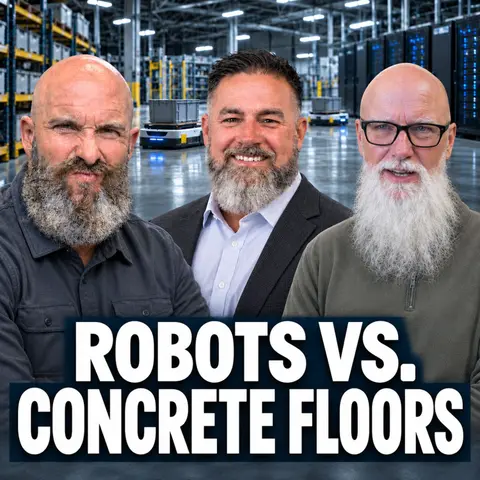
ON THIS EPISODE OF THE CONCRETE LOGIC PODCAST
What happens when robots take over the floor and a slab that passed its flatness test still isn't good enough?
Data centers, advanced manufacturing plants, and automated warehouses are pushing concrete floors harder than ever. Seth talks with Bryan Birdwell and Chad White of Structural Services Inc. (SSI) about brutal schedules, low-carbon mixes, surface wear, and specifications that don't always reflect how a floor will be used.
They explain why compressive strength and great FF/FL numbers can miss critical problems, including elevation changes between pours and durability under nonstop wheel traffic.
Once a robotic facility runs 24/7, there's no easy time to shut it down and fix the slab. Are we building floors to pass a test or to handle the equipment that actually runs on them?
WHAT YOU'LL LEARN
- Why data center schedules and incomplete design coordination create problems for floor contractors
- How low-carbon mix requirements and low water-cement ratios can complicate finishing and surface performance
- Why compressive strength alone doesn't tell you how a floor will hold up under robotics and heavy traffic
- What repeated wheel paths and 24/7 operations mean for abrasion resistance and repairs
- Why Chad questions blanket requirements for densifiers and finishing aids
- How application methods and dosage rates can undermine curing and finishing products
- Why proper moisture retention and curing still matter as cement and mix designs change
- Why a "jointless" floor doesn't mean a floor without cracks
- How a floor can meet FF/FL requirements and still have poor elevation transitions between pours
- Why ASRS floor specifications vary so widely and what contractors should ask before bidding
- What Bryan and Chad will be teaching at World of Concrete in January
(00:00) Concrete Logic Academy and introduction
(03:55) Meet Bryan Birdwell and the Golden Trowel experience at SSI
(07:47) What makes data center floors different?
(09:02) Low-carbon mixes, water demand, and finishing problems
(12:48) Robotics and manufacturing need more than compressive strength
(16:28) Surface wear and the cost of shutting down automated operations
(20:56) Do densifiers and finishing aids deliver what contractors expect?
(27:07) Why proper curing gets squeezed out of the schedule
(31:35) Cracks, joints, and setting owner expectations early
(34:37) Good FF/FL numbers don't guarantee consistent elevations
(37:13) ASRS specifications, contractor risk, and expensive remediation
(39:20) Bryan and Chad's World of Concrete education sessions
GUEST INFO
Bryan Birdwell
President, Structural Services Inc. (SSI)
Guest profile:
https://www.concretelogicpodcast.com/guests/bryan-birdwell/
Chad White
Structural Services Inc. (SSI)
Guest profile:
https://www.concretelogicpodcast.com/guests/chad-white/
Bryan and Chad discuss their January seminars on slab placement and finishing, blended cements, superflat floors, crew leadership, trowel machine operation, and floor performance.
World of Concrete education:
https://www.worldofconcrete.com/education
CONCRETE LOGIC ACADEMY
The mix changes. The specifications change. And the equipment running on top of the slab keeps getting more demanding.
That's a pretty good reason to keep learning the fundamentals of concrete, not just how to pass the next test.
Concrete Logic Academy is built for people who want practical knowledge they can use in the field, from materials and mix designs to placement, finishing, and troubleshooting.
Get free access while it's available:
https://concreteschool.co/
SUPPORT THE PODCAST
If the Concrete Logic Podcast gives you value, send a little value back.
The easiest way to help is to share an episode with someone in the industry. You can also send Seth a guest or topic suggestion through the Ask Seth feature or microphone on the podcast website.
To make a contribution, visit:
https://www.concretelogicpodcast.com/support/
Interested in sponsoring the show or working with Concrete Logic Media?
Email Seth:
seth@concretelogicpodcast.com
KUIU LISTENER PARTNER
Support Concrete Logic when you shop for hunting gear through our KUIU partner link.
Use promo code LOGICPOD for 10% off eligible purchases.
Shop KUIU:
https://www.concretelogicpodcast.com/kuiu
CREDITS
Producers: Jodi Tandett and Concrete Logic Media
Music by Mike Dunton:
https://www.mdunton.com/
WHERE TO FIND SETH
Concrete Logic Podcast:
https://www.concretelogicpodcast.com/
YouTube:
https://www.youtube.com/@concretelogicpodcast
LinkedIn:
https://www.linkedin.com/in/seth-tandett/
Concrete Logic Academy:
https://concreteschool.co/
Until next time, let's keep it concrete.
00:00 - Concrete Logic Academy and introduction
03:55 - Meet Bryan Birdwell and the Golden Trowel experience at SSI
07:47 - What makes data center floors different?
09:02 - Low-carbon mixes, water demand, and finishing problems
12:48 - Robotics and manufacturing need more than compressive strength
16:28 - Surface wear and the cost of shutting down automated operations
20:56 - Do densifiers and finishing aids deliver what contractors expect?
27:07 - Why proper curing gets squeezed out of the schedule
31:35 - Cracks, joints, and setting owner expectations early
34:37 - Good FF/FL numbers don't guarantee consistent elevations
39:20 - Bryan and Chad's World of Concrete education sessions GUEST INFO Bryan Birdwell President,…
[00:01:43] And welcome to another episode of the Concrete Logic Podcast. And today I have Brian Birdwell and Chad White with SSI. Uh, we're gonna talk about concrete floors for data centers, advanced manufacturing, robotics, and what, what makes these facilities different when it comes to concrete floors than some of our conventional industrial floors, and then probably some other stuff.[00:02:07] But before we get started today, I just wanna remind everybody how you can support the show. If you enjoy the show, the easiest thing you can do to help me out is to share the podcast with a colleague or a coworker. So that's pretty easy. The next thing you can do is if you go to concretelogicpodcast.com, there are two ways you can get ahold of me on the website.[00:02:28] So when you go to the homepage, at the top of the screen, there's a menu bar, and one of the selections up there says Ask Seth. You click on that, an email form pops up, and what I'm looking for is topic or guest suggestions. So go ahead and, and do that. Send me what you-- who you wanna hear from, what you wanna learn about in the concrete industry.[00:02:48] Uh, the, the second way you can get ahold of me is in the bottom right-hand corner, uh, there's a little microphone. You click on that and, uh, same on the homepage. You click on that microphone, and it'll record your voice right over the computer. And again, looking for topic or guest suggestions, or heck, man, just leave me a message if you want, and I'll play it on the, on the, uh, podcast if you want me to.[00:03:10] So those are two ways you can get ahold of me. And then the last way you can do is, is donate to the show. And the way to do that is there's a donation button. Again, it says Donate. Click on that on the homepage and give, give any amount, whatever you think the podcast is worth to you. So if you get some value out of the show, send some value back.[00:03:30] You can also check out, uh, we, we got a group together on the, uh, Concrete Logic Academy. It's-- You can get in for free right now if you go to concreteschool.co, sign up. Uh, we have, I think a hundred, between a hundred and thirty and a hundred and forty folks on there right now. You can jump on there It's all like-minded folks that wanna learn more about concrete and expand your, uh, knowledge on concrete.[00:03:55] All right. With that, let's get into the topic at hand at first. So concrete floors for data centers and advanced manufacturing and robotics is what we're gonna talk about today. And Brian, if you can, if you can share a little bit about yourself. Chad's been on the show. He's like a veteran.[00:04:10] He's been on the show several times. But Brian, if you could share a little bit about yourself and your company, SSI and so that way folks are like, "Why am I listening to Brian? What does Brian know?" Yeah, no, it's nice to be a part of the, the podcast. Been able to watch it, uh, numerous times, and I do recognize Chad as a veteran.[00:04:25] It's nice to have him with us, with SSI, and in the concrete industry. Structural Services Incorporated, SSI, was founded in 1988, so pushing close to 40 years coming up in the concrete consulting world. Um, we touch about 300 million square feet annually in North America. I used to do some things international, but most of our work is just, uh, Canada, America, and North Mexico now.[00:04:49] I work with a lot of clients on, uh, all types of projects, but most of it's horizontal, slab on metal deck, slab on ground, parking lots, paving tilt wall on occasion. But, uh, yeah our firm really tries to work with owners, end users, contractors, to help them stay out of trouble, to help them understand the material science of concrete, and just how we're integrating technology and constructability.[00:05:11] That's the one thing that I've... I came from the, uh, general contracting, concrete contracting background in a family business back in Florida. From Florida to throughout the country doing specialty floors. We were taking on floors that nobody else would wanna mess with, from super flat to, uh, super flats on elevated deck.[00:05:27] Just if you could throw out a crazy spec, I had the gumption that we could go take care of it, and we did. Won a bunch of awards doing it, and that's kinda where I started my history. Been with SSI, I think it's coming on a total of about 15 years now. Currently serve as the president of SSI, and I've had a lot of success with a great team.[00:05:45] The one thing about the SSI team, everyone that works for us, from the field to the office, is some of the best in the business, and we're all here to, to help clients and to help share knowledge. So we appreciate the opportunity to meet with you, Seth, and share a little of experience of what we're seeing in the wor- in the construction world right now, especially on data centers and manufacturing facilities.[00:06:04] Something I'd like to add, Brian doesn't really like to toot his horn, but I think you know, the Golden Trowel is like the holy grail of concrete flatwork. And I'm not positive, but I believe Brian has won 25, 26 of them? Yeah. It's one- How many, Brian? Yeah. It's twen- 26 of them, and, uh, of the 26, 6 of them were...[00:06:27] I think two of them had been beat, but world records. So the flattest floors ever recorded in the world, six of them were. That's- I think between Chad, myself, Bob Simonelli, Denny Bart's part of our team, I think the current count as of last year, we've helped 50 other contractors. So 50 other Golden Trowel awards outside of what we've won, um, as individuals.[00:06:45] Helped other concrete contractors have success producing crazy flat floors, so Yeah, a lot, lot of collective experience Yeah. And for folks, what, where, who gives out the Golden Trowel, the folks that aren't familiar? The, yeah, the, the Face Companies. So at dipstick.com, the Face Companies who, uh, so they make the face dipstick, so they take in that criteria around the world.[00:07:06] They've got Golden Trowel Asia, so for the, uh, Orient, and then everywhere else in the country. So, uh, I think last year there was 20-plus winners that were awarded in various categories from hand screed to hand screed, magic screed, truss screed, laser screed, short bay, wide bay, slab on metal deck specialty projects as well they take on and, and just look at criteria.[00:07:25] So they basically how they, the, the entries come in, they then analyze those entries off previous years' current practices, and then evaluate those. And depending on whether they go gold or silver. Silver's a recognition for a equally flat floor, but wasn't the highest of that year. So they have gold-plated, silver tr- plated trowels that they give out annually every year at the World of Concrete.[00:07:47] Yeah. That's cool. Yeah. It is. All right. Let's, uh, let's talk about the concrete floors for data centers, advanced manufacturing, and robotics. What makes these floors different than a normal industrial floor? Yeah, that's a g- that's a good question. I think for the, from the data center standpoint, we just had a, a nice forum at the, uh, spring ACI convention on this subject in Atlanta, Georgia.[00:08:09] And I, I would say, uh, you know, there's a lot of excellent firms out there that are engineering and designing slabs. The data centers are so fast-paced, what we're seeing is design teams being put together, um, that might not have the history of industrial floors or things that's been learned through American Concrete Institute, and a lot of contractors that have involvement with that.[00:08:28] So we see a lot of floors that are getting developed that are over, overly reinforced, a lot of, uh, out of joint cracking, a lot of details that aren't coordinated. Contractors going so fast with little information, they're building it, and then from those designs, and due to schedules, I mean, you can't overlook the schedules.[00:08:44] The schedules on these projects are enormous. And I think for many of those that are on your, in your, uh, on your podcast that listen and understand those that are building them, they're very fast-paced. Again, a lot of things not coordinated, which creates all kinds of constructability design and performance challenges.[00:09:02] Yeah. What about you, Chad? You want to add to that? Well, I'm gonna kinda give you more of the field perspective, 'cause that's what I see. Just about every one that I've been around The mix design. The mix design. The mix design. You know, there's a big push for a low carbon footprint, and there's a big push for no shrinkage and curl.[00:09:28] So they've got... And this is an old finisher talking, but they got unrealistic water-cement ratios, they got unrealistic blended cements. And then the second thing is schedule. It's brutal. It's brutal. They're, they're beating these guys up out there. The field crews are short-handed. They're building data centers everywhere, so the demand is there, and they can't get enough people on the job, and it's just relentless.[00:09:57] You know, they're pouring concrete or wanting to pour concrete. If they could get the people to do it, they would be pouring concrete seven days a week. So that's the biggest things I see is they're having a lot of problems with the mix, with plastic shrinkage cracking, not being able to get a good finish on it, crazing, delamination.[00:10:18] De- Yeah. Say delaminations is a nightmare. And part of it is means and methods, but to me, if you can fix the mix design, most of the means and methods will work. So- I, and I would agree with Chad. I'd say that's, that's probably the biggest res- or biggest source of, of difficulty out there is... And obviously, we all wanna make sure we're doing all we can to help save the Earth and use good response to our carbon usage, but we can also go so far one direction that fundamentally we can't have the same expectation we've had for 60, 70 years of concrete and then change the materials or the c- or the volume of how those materials get dispersed within a mix and still expect the same steel trial finish, the same durability, abrasion resistance and cracking performance because c- And what I don't understand is You know, we need to prioritize things.[00:11:14] If you want to, a low carbon mix, foundations, footings, paving, but your slab that, where you've got to do the most hand work, I don't think you should be holding that specification the same as you do for everything across there to get you low carbon. Yeah. I mean, if they take that subject of water-cement ratios, I mean, we're seeing water-cement ratios being specified in the low fours, high threes.[00:11:41] Not to get lost in the mix design discussion, but that's just a design element. Then you've got, ready-mix producers holding back water. I mean, the national average that we see across the country with the mixes we look at daily throughout the week is 20 gallons holdback as an average. So you're actually producing, in most locations, .35, 37 water-cement ratios.[00:12:02] So you have concrete that's screaming for water that needs to hydrate with potential SCMs in it that also need water, or admixtures that need water to disperse the admixture. So you start dropping one domino, and there's 37 dominoes that follow, and they still expect to see a slab that's incredibly shiny, flat, without any abnormalities aesthetically.[00:12:23] Yeah. I got a client for you. We can talk about that after, after we hit stop. What about- Go ahead, sir. Go ahead ... I was gonna ask, uh, so we know data centers are very popular, but also in, in the Mid-Atlantic region, I'm also seeing a lot of ad-advanced manufacturing is coming on board. Is the, uh, the same difficulties, are they tr- are they happening on those type of jobs as well?[00:12:48] Is it kinda tran- Yeah. I would, I would say industry-wise, the, the GWP carbon goals are realistically out there, but the challenge is of the expectation. You still have a performance. And when we say performance, a lot of people hang their hand-hands on, and we still see it, we're meeting compressive strength.[00:13:03] Well, we've been able to work around some of that with some of the cement changes but that doesn't mean every other aspect of the performance, you know, performance based upon the material, performance based upon its end use. So what's going to be trafficking that floor slab or that manufacturing facility?[00:13:17] Is it cast wheels? Is it steel wheels? Is it, you know, robotics? Is it a different type of vehicle like an AGV or LG vehicle? What's the wheel durometer? What's the drive frequency? Is it defined? You know what I mean? You-- It literally just expands to, okay, we've met one, to Chad's point, we checked one box, but now what's the long-term performance?[00:13:39] I, I-- we, we've talked about this a lot, I think, as an industry. It'll be interesting to see what the next three to five years brings from the decisions that were made and then put in place three to four years ago. So what are we gonna start seeing as just long-term potential durability in our floor slabs for all uses, data centers, manufacturing- What I find, yeah.[00:13:58] What I find, a lot of the concrete contractors don't really understand, like I'm talking specifically about robotics, what the demands are as far-- you have flatness, but it's not just FFFL. You can't have a deviation over, what, six millimeters and six hundred, you know, those type of specifications.[00:14:24] Then it's also gloss and smoothness. Hey, and Brian can probably correct me if I'm wrong, but I have yet to see a robotics lab that a concrete contractor could go out there and place and finish and did not have to be worked on later to get the gloss and the traction that they wanted. So there's a lot of I guess ignorance.[00:14:50] I mean, we need to get the robotics people and the concrete people together. Yeah. Where they- That's it. I'll say to Chad's point, I think there's a lot of preaching. Now we gotta do a little teaching, right? So I mean, there's... You can specify anything you want. I mean, that's, that's simple. Put it on a piece of paper, hit send.[00:15:05] But now how do you actually put it in place and allow that specification to be constructed, and be constructed in such a way there's not a litigation involved, or you're not gonna go back and remediate? And I think that's the, that's one of the biggest things we see in our industry. A- and I would say, you know, you, you look back and we do a lot our company has for years, and with ACI committees and try to have an involvement of influence and education and, and training.[00:15:29] But I say the industry as a whole, the concrete industry, flooring industry, is definitely behind where the current market's at. We still have a lot of fundamental direction that the technology's so far advanced than how we're specifying and how we're looking at things. So there's, there's a disconnect there.[00:15:46] So it goes back to, like I said, the, the preaching and teaching. We can specify anything. How do we get to it? And who pays the price? And I, I think that's one of the hottest topics out there is we got a... There's aggression to take on projects. There's an aggression to be the bottom dollar. Then you got a schedule monster.[00:16:03] And then if you don't meet that criteria, who pays the price? The growth of remediation contractors in North America has grown volumes in the last five years because we're specifying expectations that can't be met in a reasonable financial method for most concrete contractors. So they take it on and get their teeth knocked in, and then someone's got to come in at a crazy dollar per square foot to fix what was originally specified.[00:16:28] Yeah. W- can you share, without naming names I assume, w- you know, we did a switch of material back in 2020. We were talking a little bit about before we hit record. What kind of things have you seen? I'm sure owners have called you back and asked you what's going on with, you know, s- probably slabs in particular that they're seeing from that switch in material time period.[00:16:53] Yeah, off. We were, I will say, I'll start it off is I, I, we're seeing a wear resistance change when that cement change happened in, in other cements. As mentioned, delaminations have been increasing. We're seeing slabs that are wearing out depending on traffic patterns within six months to a year, year and a half, where you would typ- we'll call typical floors of what's been known for, for generations to hold up under similar abrasion, similar traffic, being worn through where now we're having to potentially look at different ways of densification and, uh, honing that slab to make it more durable on the surface.[00:17:29] So because of those checkbox changes industry-wide, the wave keeps coming back to just a long-term surface holding up to just, durability. And we're seeing that with a lot of clients that have a lot of heavy wear and tear. And I don't think, at least myself, I did not understand today's manufacturing and storage, they're running 24/7.[00:17:53] Like these robotics, some of these, they're running the same wheel paths 24/7. And back in the old days, you know, you had your warranties, you know, warranty period, you come back in, they shut down an area, and you did your repairs and everything was fine. Now, you don't have that luxury to come back in and shut down an area so you can do repairs, and I don't think that contractors understand that you're not gonna get a chance to come fix it later without upsetting the client and disrupting the schedule.[00:18:31] They're counting, you know, if you shut down a robotic system, it's thousands of dollars per hour, you know, and they don't wanna do it. Once the building's up and operational, they don't wanna see you no more, and if they do see you, it's gonna cost you a lot of money Yeah. And I, I don't wanna give the exact number, but I know it's in the, on for one of our clients, it's in the millions of dollars for one single unit to go down.[00:18:57] So if one single unit goes down just on profits, and there's hundreds, if not thousands of those units in a facility. So yeah, the the disconnect and you know, I've said this for years too, the disconnect between design, construction, and facilities or, or maintenance, there's such a disconnect.[00:19:14] And we're starting to see where that's starting to come back to, come back around where the financial impacts to the end user is now starting to come back on how are we designing this? How are we constructing this? Why are we getting these failures? Because once, you know, from just most owners, most projects to get awarded, there's a designer involved, there's a contractor, there's a w-warranty period.[00:19:33] They walk away, and now a facility's left. How are we gonna maintain these joints? How are we gonna maintain this surface? They're now trying to change their throughput, so you got more ASRS, more robotics, more diff- you know, different types of material handling equipment that now is changing the behavior because they're trying to get out more in a foot, square foot footprint in their facility.[00:19:53] And yeah, there's, there's a, there's a disconnect there. So we're seeing that impact floors in general. But I think from the contractor world, the more that they can educate themselves on the material they're using, the fundamentals. One thing I've preached for years and, and me and Chad's, uh, we've talked about this and even had seminars together, it gets back to the fundamentals.[00:20:12] I call it the ABCs and the one, two, threes. You still have to educate the men and women in the field, the fundamentals of concrete, placing, finishing, prepping, saw cutting, curing, 'cause all that still is an industry. We's gotta keep that that topic in the forefront. Materials are gonna change, technology's gonna change, but we still owe it to ourselves and industry to make sure we're producing the very best floors we can.[00:20:35] And, uh, I'd say I noticed that disconnect probably the mid-'90s. We started seeing a retirement phase of really qualified craftsmen, right? And now, although we still got good finishers out there, that knowledge base didn't transfer. So I think that's one thing in our industry, it's, it's a big issue right now is just education.[00:20:56] How to deal with what you're facing. I've-- Is it densifiers become the norm now with these floors? And were they the norm before the change in cement? We'll let Chad take that one on. Densifier, yes. The, the densifiers are a norm now. It's just about every job you see they're specking a densifier.[00:21:18] Do they work? I'm not qualified to answer that. I've seen studies done to where they poured plain concrete and densified concrete and did an abrasion test on both of them, and they noticed no difference. I was just looking. I was-- I got a call on a job where they did, which we were involved with.[00:21:43] Brian knows probably what job I'm talking about, that they tested a colloidal silica and a trap rock against each other, and they did like twenty-four samples, twenty-five samples, and they were getting the same abrasion resistance between the two. I would have liked to have seen if he's gonna do that.[00:22:04] They should have done a plain conventional concrete because I got a feeling that it probably would have passed too. Concrete, I mean, we think we've got a science, and it's not all a science. The, the materials are so vastly different across the country. The cements we use, the aggregates, there's so m- there's more variation than we all realize.[00:22:26] Several years ago, I had a slab get rained on, and they pushed the water off, and they finished it right, and it looked good. But there was obviously concerns that, you know, the so- the surface is gonna be soft. So I had us-- We came out and did an abrasion test. The slab that got an inch and a half of rain on it, they pushed all the water off and machined it, was harder than the regular slab sitting beside it.[00:22:55] Explain that too. Yeah. And I think to Chad's point, uh, y- out there right now, um, it's always been the case, but, uh... And we're fans of a lot of different approaches. To Chad's point, it-- each project, each material, each circumstance, I think you have to... I always describe it like going to a line in football.[00:23:13] You gotta be willing to call an audible when you read the defense. And in the concrete world, you don't know what you're gonna face, and anything that you have in your playbook is on the table. So whether it's finishing aids, internal cures, external cures, true water-based cures, a water blanket cure, a densifier, I mean, there's everything and the kitchen sink of being promoted to our industry right now as solving world problems, right?[00:23:35] Make you 10 foot tall, cure blindness, cure cancer. That's how it gets promoted. And, and I'm a f-- and I don't say that derogatory. There's a, it's, a lot of it can do some amazing things, but not one thing solves all problems. To Chad's point, take that example of the rain slab. Did they wait longer? Was it the material?[00:23:51] Was it the finishing process? Did they pan it longer? Did they pan it harder? Did they use combination blades longer than we normally would because of the conditions? Did they not over-finish it? We could have a whole podcast just on a rain slab, right? So just taking those dynamics, was that the reason the outcome of the abrasion was different?[00:24:07] Or just to blanket say trap rock. I mean, Chad's put it down. I grew up doing it, hand broadcasting trap rock and hardeners and everything else. And yeah there I would say back in the day, there were some phenomenal floors. But I also think it was how you were taught to install them and the timing, not the material.[00:24:24] So sometimes we sell the materials as, again, the solve-all, when actually it's the implementation and how you integrate the material with the slab under the ambient conditions that all play a role. I mean, we've been on slabs that you could use a lot of these products on. Get a high wind, all, all hell breaks loose.[00:24:41] Perfect conditions, oh yeah, it's a great marketing opportunity. But that doesn't mean that solved the world's problems that day. It just means everything lined up and that product assisted. Again, we got to the defense, the defense l- looked strange. We called an audible, the audible worked. And not every audible works at the line, and we gotta be willing to have everything in our resource to call that play.[00:25:00] And getting back to my I don't want all the hate coming my way, densifiers No don't, don't email me first. I, I understand the chemistry. It works. I just... I've never had anyone explain to me, "Okay, yes, it is causing a reaction," but how much? How much is it really doing And nobody's really been able to tell me why densify this floor and don't densify this floor.[00:25:32] What percentage is this one less porous, more durable, more abrasive? Nobody c- nobody... I'd love for somebody to tell me. Finishing aids. Yes, I understand how they're supposed to work, but most of the time the problems I see with finishing aids is they're not applied correctly. Amen. I've seen finishing aids thrown on by the bucket, and you might as well have been using water because the outcome was the same.[00:26:03] It delaminated. Yeah. The surface dusted. So if you start looking at... Don't get me on a rant on finishing aids. They one of them says, "Well, I want three applications done, a uniform spray abou- 800 square feet per gallon." And you've got a guy out there putting it on with a dash brush and a bucket.[00:26:27] Our means and methods aren't there. And I've always said, if you use an evaporation retarder correctly, apply it as needed, which means more than once, you're probably gonna get the same results that you get using a finishing aid. As far as helping the finisher, I mean, I honestly think finishing aids are great.[00:26:49] They lubricate the surface. They help the finisher. Do they do any densifying? Hell, I don't know. I don't know if they do or not. They do help the finisher, though. I will say that. And I, and I would piggyback on something that you said that I think is incredibly valuable that's been lost with concrete, is concrete needs to retain moisture.[00:27:07] Concrete needs to be better cured. A- and I would say we see more and more concrete not being cured appropriately. And as the cement changes, the fines change, we need to make sure that we're keeping that moisture in that concrete so it hydrates properly. Wh- when that's not happening, I think we're seeing a lot of behavioral issues, even on wear, durability, abrasion, because we haven't cured concrete like we used to.[00:27:30] N- schedules don't allow it, and it's not good for marketing. But it's amazing, if you go back to the old principle of Visqueen, 6 mil Visqueen, even though it's gonna mold the slab, retain, put water down, retain that water, hold that water in, cure blankets. It kills a schedule, and schedules are now are faster paced than they ever have been.[00:27:48] But you wanna talk about a hard surface? Amazing what water being absorbed in that surface... Now, again I don't make that as a blanket statement. You gotta consider finish coverings, and there's a lot... There's multiple elements in... Like I said, when you go to the line, what's the defense? What audible do I need to call?[00:28:02] What play do I need to call? Read it. Sometimes you have to do a little bit of both. But fundamentally, if all worlds were equal and you could go out there and place quality concrete, finish it, and cure it properly you might be sh- shocked how much hasn't changed. It's just, uh, we don't... Circumstances don't allow us to do what we used to do.[00:28:19] Yeah. Have you seen any of the videos from, like, China to where their typical thing is they've got a... They put Visqueen down right at, as soon as they can walk on it And then they grind it later and- To get the finish they want ... they're getting incredibly hard floors, yeah. It's, 'cause that's, you're pouring a slab at 2:00 AM in the morning.[00:28:41] You're done pouring by 10:00 o'clock. You start getting it finished, probably break of day, and they don't start putting cure on until 2:00 o'clock in the afternoon that slab's been sitting there baking- Screaming for w- for moisture ... for four hours. Yes. I mean, if you ask the question, did you cure it properly?[00:29:02] Yes. Did you cure it timely? We cured it when we could get to it. And I think- Right? ... that's, that, that's something. It's an interesting... not to get off topic, but take a manufacturer's direction on how many gallons per square foot. Huh. And if you were to actually go out on a project, and n- I'd say no one does.[00:29:18] If they say- Mm-hmm ... they do it, I'd love to be on that project to watch it take place and record it. But actually do manufacturer's instructions or dosage rate of any product. It's, that doesn't happen. We're spraying it- Mm ... with a Chapin sprayer that may or may not spray equally, evenly. Maybe we have a, a power sprayer out there, but are we actually putting down the product amount to meet the testing criteria that was done in the lab to actually perform the curing operation?[00:29:43] I'd say most projects that never happens. No, it, it doesn't hap- 'cause what's ASTM 1155? It says, like, 300 square feet to the gal... I, and I may be wrong. Like 300, yeah. Yeah. You know, it's like- Mm-hmm ... 300, so if you're pouring 20,000 square feet, you're putting a ton of cure on there, and nobody is doing that.[00:30:03] Mm-hmm. You know? W- I didn't do it back in the day. So, so I think back to the comment about cements. You know, I don't, like, I don't think it's one source problem. I think one change, one dynamic change, no one... Everyone has to have the chance to catch it. So as the material change, the particles change, the fineness change, the finishing process maybe has to change.[00:30:23] But that also means the curing has to change, the water demand has to change. It's just like everything collided at the same time in the last few years, and the industry as a whole is trying to capture it. As, think we were talking about before when we, we went live here is, you know, as a consulting firm, you know, obviously it's had a huge impact in our business, but at the same time we're, we're super concerned about the contractor and the end user, 'cause we're representing multiple parties.[00:30:47] Most of us, we have designers that are part of SSI engineers. Uh, there's a phenomenal amount of our team members that were concrete contractors that have truly placed and finished millions, tens of millions of square feet of all the different applications we consult in, paving to slabs, to slabs on metal deck panels, you name it, super flats.[00:31:05] And our heart is with the contractor. We work for owners, we work for developers, but our heart is how do we help... We want the product to be the best it can. So as these things have changed, it's really goes back to what I was saying about the fundamentals. We're trying to educate the end user of what he should expect reasonably, the contractor, the designer to be careful, the contractor to place and finish and to communicate the best they can so they don't entrap themselves into a situation where they're making promises they'll never be able to cash.[00:31:35] Mm-hmm And, and we see that across the country And, you know, uh, we can talk about these things, till the cows come home. Not understanding the specifications and not preparing the client his expectations, you know A lot of clients, they're not concrete guys. They want a nice floor with no cracks in it.[00:31:58] Concrete cracks, and it's a whole lot easier to talk about these things. Steel fibers. You know, I've had clients, you know, there, there's fibers at the top. "Well, you got 60 pounds of steel fibers in the slab." Yeah, you're gonna have some fibers at the top. Somebody should have educated that client that, yeah, you're gonna see that.[00:32:19] A jointless floor does not mean there's no cracks. There's gonna be cracks in a floor, you know? Mm-hmm. That's why you got all the steel fibers, to hold them tight. Are you gonna have dominant joints? Yes, there's gonna be dominant joints, and you should be talking with the clients about this before, you know, it's...[00:32:41] By the time you're doing punch list, you're already behind the eight ball. Good. It's your fault. Yeah. Yeah. Yeah. You're, you're, you're paying. Yeah. It's your fault. Yeah. You're, you are now a participant in the project. That's what I tell everybody when we do these pre-slab meetings. Be careful on how much you wanna become a participant, right?[00:32:59] If you don't communicate to Chad's point, if you don't communicate on the design process, what's worked, what's not worked. But in our industry it shocks me. I was growing up, I grew up in a, in a concrete industry. Again, my dad was a general contractor, did his own concrete contracting. We kinda developed that and grew it bigger.[00:33:14] But I remember sitting there, you know, reading articles about some of these legends, Dan Baker, Terry Fricks, and all these other guys that were, like, cutting edge, paving the way, going through things. And I, I would sit back, and maybe I was that weird kid, but I would remember reading these concrete contractor magazines in my dad's office, asking questions, going to job sites and "Why, why are we doing it this way?"[00:33:34] And I think that's what's been my success and I think our success, and we try to educate other peoples, stop and ask yourself that question. "Why am I doing it this way?" So in other words, take one simple thing, reentrant bars on a reentrant corner. We'll put them there, and then we'll cut through them to put a saw cut off a corner.[00:33:53] That's kinda strange. So we're gonna install the time, buy the material, cut the material, get a corner crack, and then scratch your head like Neanderthals and go, "I wonder why that happened." Why don't we just stop and ask ourselves, what, what is the design intent? If this is the design intent, then how can we construct it in such a way that we get the performance we want so that we're not a participant when the owner comes back and says, "Who's gonna repair that crack, chase that crack, fill that crack, or remove the slab because it cracked?"[00:34:20] But as an industry whole, we keep doing fundamentally, and I mean as a whole. There's... Not everyone, but as a whole, you were to average everybody out, w- we don't stop and ask ourselves why. And that's just, that's just one element of re-entry bond. We could talk about design, reinforcing, reinforcing heights, placing and finishing.[00:34:37] Like, something me and Chad's passion is flatness and levelness and, and high tolerance floors. I don't, I don't know if there's ever gonna be an... I think you could take floors to infinity on flatness. There's a lot involved with that. But fundamentally, if we don't get our elevations right, if there's one thing on my pulpits on right now, it's elevations.[00:34:56] Control. What is control? It's my, it's my, uh, pulpit moment almost every seminar I'm involved in, I try to tie it in there, is because we as an industry have hung our hats on high flatness and levelness per placement, ASTM E1185, two foot from our construction joints, two foot from penetrations. Because we're seeing so many slabs evaluating them, assessing them with various technology, the various methods, we're seeing slabs...[00:35:23] You know, ACI 117 gives you plus or minus three-quarters for elevation. That's an inch and a half variation. It's a staggering number. We're seeing placements, 50,000 foot, 50,000 foot, 50,000 foot, that are over an inch out of elevation, but they have killer flatness and levelness because each plane in its plane is incredible.[00:35:45] But within two foot, you got manmade swoop, screed bust elevation, formwork elevation bust, no one tying in a benchmark. But as an industry, we're out there beating our chest, "Oh, man, you see how flat my floor is?" Yeah, that's great. Now you can't run anything across each placement without something- Yeah[00:35:59] falling over. So it's just- Didn't shoot ... it's tying all those things together, right? I think- Didn't, didn't shoot your edge form in, right? And I think we've learned how to game the system There you go You know we know what they're gonna test and how they're gonna test, so that's how we develop our means and methods to beat the test.[00:36:22] It's not to make the flattest work platform over the whole building, we just gotta pass this test on this pour. That's right. And that's become industry norm. Yeah. And I think that's where, that's where, to your earlier question with manufacturing, robotic floors, ASRS floors, rail guided AGVs, LGVs, all these things and other topics you've had really smart guests talk on, it's that the industry is not capturing the technology and then how we're constructing.[00:36:52] So going back to what I was saying, as a whole, we do, gotta do a better job of just asking questions, stopping and looking. Why am I doing it this way? What's the intent? Why is this not working? And then addressing that. Good points. Very good points. Talking about the ASRS slabs, the specs are all over the place on those.[00:37:13] You know, you've got some that they're asking for, 'cause they don't know what they want, so they're asking for an incredibly high FFL. They want an FF75, they want an FL75. They can't tell you why they need that, but they just feel that's what they gotta have. Then you have other ASRS slabs that they say, "Okay, you have a three-quarter-inch envelope.[00:37:38] We're not even gonna test FF and FL." I was on a project this morning, a ASRS slab, 24-inch mat, heavily reinforced, and their spec is one-inch envelope. That's what they're being checked on, and that's it. I was on a job in Virginia several months ago, and it was an FF75, FL75. So there's a lot of y- a concrete- Be-[00:38:05] contractor really- Before you- ... has to ask the question ... before you sign up for that contract, can you do that on a normal day? Yeah. Do you normally- Right ... put that kind of floor down? What does it take you to put that floor down? So why on God's earth would you sign a contract guaranteeing you're gonna hit that knowing the damages are gonna come back to you?[00:38:23] It's communication, open communication, understanding what you can and cannot do. It's just, it's vital in our industry. When that doesn't happen, there's another team in our industry that's gonna come back and they're gonna grind it, and they're gonna remediate it, and they're gonna make tons of money off you because you're not educating yourself.[00:38:38] And I'm a firm believer, and I've, I've done this as, as a contractor, try to do it as a consultant when we get involved with people, is if you can place a floor flat You can finish it flat, you can greatly reduce remediation. I'm a big believer we have the ability, the technology, and the know-how to place floors crazy flat.[00:38:57] We just don't take time to do it, and we allow other people to influence that, and then they make a lot of money off of us. Yeah. Yeah, taking a little extra time to do that preparation and studying goes a lot longer, goes a long way compared to what I think what people think. They think they're losing time, but when you screw something up, then- Time is money[00:39:20] time is money. You're Yeah. That's expanding the schedule, too, so. Absolutely. Man, y- y'all have been very gracious with your time today. I really appreciate it. I'm glad we got together today. Brian, uh, uh, pr- uh, wanted to make sure we, we, uh, carved a little time for you to share what you're doing at World of Concrete coming up in January.[00:39:38] Yeah. No, uh, Chad is as well. We both have an opportunity to do some education. I've got six seminars. Monday, two. Tuesday, uh, two on Tuesday, then Wednesday and Thursday. Topics are from placing and finishing to parking lots, maintenance of parking lots, and then specifications around interior floors on ground, slabs on ground.[00:39:57] So kind of a wide range of flatwork discussion. This is, I believe, the 13th or 14th year at World of Concrete. I think 37 seminars I've been able to have the privilege of giving, so it's, it's a nice way to give back to the industry, meet people. Mm-hmm. So I look forward... If you're interested, w- worldofconcrete.com, uh, /education.[00:40:16] It's a great resource to find out what Chad's talking about, what we're talking about. I think we have six or seven SSI members doing some education there at World of Concrete, as well as a lot of other good education. But love to meet people, see what we can do to help impact you. If you got issues, bring them.[00:40:31] We'd love to talk about them, and not only for excellent podcasts like this, but even educational seminars like the World of Concrete. Yeah All right. Chad, you're gonna d- you're gonna be there too. Yeah, I'm doing four. Doing one on blended cements with Jerry Holland, that we did last year. I'm doing one on super flats with Dave Bizely with Texas A&M Concrete.[00:40:55] Bobby Simonelli and I are doing one on small crew, concrete crew leadership. Well, that's good. That would be one to attend. Two smart individuals that's done it. Two hard-headed old men that, that have very firm opinions on w- Two- And then- ... two guys that have lived nine lives together each. Yeah. Uh, well, like I told Bobby, we've got 100 years of experience standing there.[00:41:22] And then Bobby and Denny and I are doing one on trial machine operation and maintenance, and I was gonna say, and mine aren't by myself either. I appreciate Chad making that plug. I've got some with David Bizely, Jason Wimberley with A&M Concrete, and there's a round table of a cast of really smart individuals on the one on designing for performance of Slabs on Ground on Thursday.[00:41:43] It's a focus on engineering. There's also some round tables too. I think Chad's got some, I've got some. So those are something that World of Concrete's doing, is we're actually bringing in after seminars, opportunities for you to actually meet the instructor and ask one-on-one questions. So something new that World of Concrete's doing as well.[00:41:59] That'll be good. Think, yeah, so I'll make sure I get the link in the show notes so you guys can look out for Brian and Chad at World of Concrete. I appreciate you guys coming on the show today. And Brian, if you like doing this, I'd love to have you back. Chad- I'd love to ... you al- you'd always... you've done this before.[00:42:17] Y- you know you're always welcome, oh, love, love visiting with you, Seth. Yes, sir. This is like a scene out of Duck Dynasty, Seth. I, that's what- Three bearded guys talking about something they love ... I, I, I hear you. I was l- I was about to say, and we're gonna have to get together in a few months and see who's got the longer beard.[00:42:32] That's right. But I think Chad's got us beat. Chad, Chad's gonna have us beat. That's right. Yeah. Yeah. Th- thank you for your podcast and, and for all those that listen. Yeah. Yes. This is, uh- Thank you, Seth. This is an incredible, incredible education opportunity for our industry, so thank you for putting this together and, and all those that support you.[00:42:48] I appreciate that. Thank you very much. And folks, until next time, let's keep it concrete [00:42:53] Thanks for joining us for another episode of the Concrete Logic Podcast. If you got value from the show, here's how you can provide value back to support the show. Visit concretelogicpodcast.com and click the donate button to send value back. All dollar amounts are truly appreciated. And now, to close out the show, here's Mike Dutton[00:43:33] side, put some diesel in the lights and wait till the trucks roll up. Yeah, this ain't how most folks live their lives. Dripping in sweat, working overtime. But while they tie their ties for their nine to fives, we're out here changing these skylines. With one eye-[00:44:34] I wanna see the fire in a grown man's eyes beneath the hot summer sun. By those wild-eyed boys clocking days and nights working hard to get that job done with one eye
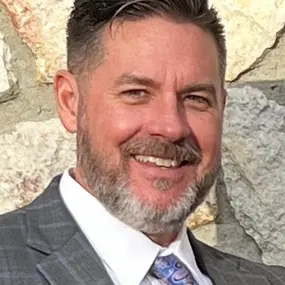
President- Senior Consultant
Bryan M. Birdwell, FACI is well-known in the concrete industry for his expertise in the installation, techniques and procedures of super flat, high tolerance, and decorative floors as well as the typical concrete floor and parking lot installations. Bryan has developed methods and taught techniques of concrete finishing throughout the United States and other locations. He has shown finishers the techniques and skills they need to construct the flattest most level concrete floors meeting and exceeding placement specifications. Bryan's floor construction and finishing techniques have been recognized continually by numerous awards including 26 Golden Trowel Awards of which 6 were World Records.
Bryan has continued to share his expertise. He has been a long-time instructor at the World of Concrete seminars and SSI's Concrete College for floor construction as well as written many articles for various concrete publications. He is a member of ACI Committees 640, Craftsman Certification; ACI Committee 117, Tolerances; 302, Construction of Concrete Floors; 330, Concrete Parking Lots and Site Paving; 360, Designs of Slabs-on-Ground; 522, Pervious Concrete. He is also an examiner for ACI's Specialty Commercial/ Industrial Concrete Flatwork Finisher / Technician Certification Program. Additionally, he has performed forensics investigations and provided innovative remediation solutions for slab surface issues.
Bryan was previously an owner of a concrete construction company for many years that had a wide range of projects including commercial a… Read More
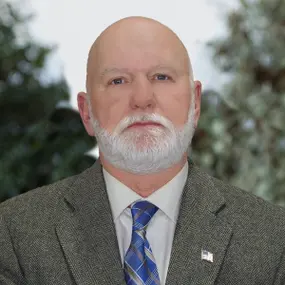
Senior Concrete Consultant
Chad is a Senior Concrete Consultant with SSI and has been involved in all aspects of concrete construction for over forty years. Chad started as a cement mason apprentice and worked his way up through the ranks cumulating in founding and running a successful concrete construction company for over 15 years. Along the way Chad has been fortunate to work with many of the key players that have shaped the concrete industry. Chad has been personally involved with the design and construction of many different types of industrial slabs including shake-on hardeners, defined traffic super-flats, high tolerance random traffic super-flats along with suspended slabs and pavement.
Chad is a member of American Concrete Institute, (ACI) and has published numerous articles regarding concrete slab installation. Chad has been a speaker at World of Concrete for over 5 years.