Who pays a 50% tariff on Canadian cement?

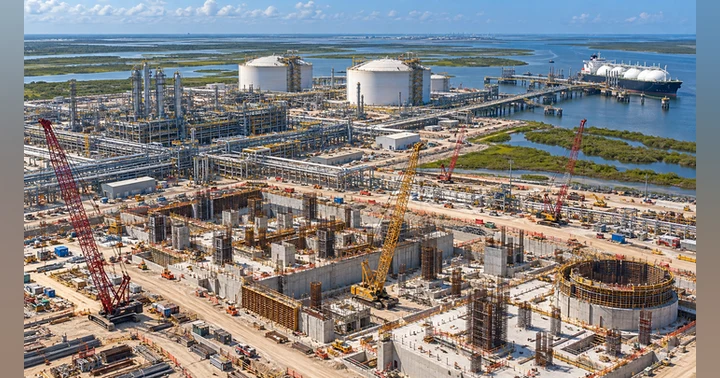
Canadian cement, eh? What’s the tariff all aboot? | cslships.com
Who pays a 50% tariff on Canadian cement?
Here is a hint.
It is not Canada.
President Trump announced a 50% tariff on selected Canadian goods, including cement, scheduled to take effect August 19 unless the United States and Canada reach an agreement. The tariffs cover nearly $20 billion in Canadian imports.
Canada is not some insignificant cement supplier.
The United States imported approximately 24 to 25 million metric tons of cement in 2025. Canada has recently supplied about 20% of U.S. cement imports, suggesting somewhere around 4 to 5 million metric tons annually. The latest reported Canada-specific total I found was 3.6 million metric tons in 2024.
That cement does not enter the country evenly.
It moves through established supply chains serving the Great Lakes, Northeast and other markets connected to Canadian plants, terminals and transportation networks.
So who writes the tariff check?
The American importer pays the tariff to the U.S. government.
Then the cost starts moving.
The importer charges more for cement.
The ready-mix producer raises the price of concrete.
The contractor puts it into the bid.
The owner either pays more, cuts scope or delays the project.
On public work, the taxpayer eventually gets the bill.
But imported cement is only part of the story.
A tariff also gives domestic manufacturers room to raise their prices.
Think about it.
If Canadian cement costs significantly more after the tariff, a domestic producer does not need to absorb the tariff to benefit from it. Its closest competitor just became more expensive.
The domestic producer can increase its price while remaining below the tariff-adjusted price of the imported cement.
That is the protection tariffs are designed to provide.
The question is whether that protection leads to:
-
More domestic investment
-
More production
-
More reliable supply
Or simply:
-
Higher margins
-
Higher concrete prices
-
Less competition
Probably some combination of all five.
A 50% tariff on cement does not mean concrete prices automatically rise 50%. Cement is only one part of the cost of producing and delivering concrete.
But cement is not an optional ingredient.
And when the price ceiling rises for imported cement, the market price can rise for domestic cement too.
That is how the cost spreads beyond the Canadian tons directly affected by the tariff.
There is also a timing problem.
Contractors bid projects months before the concrete is purchased. Ready-mix producers quote work before they know what cement will cost. A sudden tariff can turn a good estimate into a bad contract almost overnight.
That means:
-
Shorter quote-validity periods
-
More escalation clauses
-
Higher contingency
-
Delayed public and private projects
-
More pressure on regionally tight cement supplies
-
More disputes over who absorbs the increase
Could the tariff eventually encourage more U.S. cement production?
Possibly.
But a cement plant takes years to permit, finance and build. Existing plants cannot necessarily increase output enough to replace millions of imported tons next month.
The industry still needs cement while that domestic capacity is supposedly being developed.
Tariffs are often presented as a bill paid by the foreign country.
That is not how this works.
The importer pays first. Domestic competitors gain pricing room. The concrete industry pays next. The owner and taxpayer pay last.
And somehow, everyone will act surprised when concrete prices increase.

Editor-in-Chief, Concrete Logic
Seth Tandett is based in Richmond, Virginia, and has spent years working in the concrete construction industry across central and southern Virginia. His experience includes structural concrete work on multi-level frames, data centers, federal facilities, and other large-scale projects.
Today, Seth works in business development for Baker Construction and hosts the Concrete Logic Podcast, where he asks direct questions about what is really happening in the concrete industry.
Outside of work, Seth spends time studying economics, reading American history, and hunting waterfowl.
On the Concrete Logic Podcast, Seth brings the same approach he uses in the field: ask better questions, challenge weak answers, and focus on what actually matters in concrete.
Are We Reducing Concrete's Carbon Footprint or Just Moving It Somewhere Else?